All posts by Evan Williams

Downtown Denver skyline with modern blue glass skyscrapers and illuminated office buildings at dusk.

Where to Stay in Denver: 5 Best Neighborhoods for Every Type of Trip

TL;DR: Find the Best Denver Neighborhood for Your Stay

Choosing where to stay in Denver can make a big difference in how much you enjoy your trip. Each neighborhood offers a different experience, from downtown convenience and vibrant nightlife to museum visits, upscale shopping, and independent restaurants.

  • LoDo and Union Station: Best for first-time visitors, sports fans, and easy access to public transportation.
  • RiNo: Ideal for street art, galleries, breweries, restaurants, and nightlife.
  • Capitol Hill and Golden Triangle: Great for museums, historic architecture, parks, and cultural attractions.
  • Cherry Creek: Perfect for shopping, boutique hotels, restaurants, and a polished atmosphere.
  • Highland and LoHi: A great fit for independent dining, local shops, and a more residential neighborhood feel.

Before booking, consider your itinerary, transportation needs, budget, and preferred atmosphere. The right neighborhood can save you travel time and help you experience more of what Denver has to offer.

Introduction: Where You Stay Can Shape Your Denver Experience

Planning a trip to Denver, Colorado? Choosing the right place to stay is about more than finding a comfortable hotel. Your neighborhood can influence how easily you reach major attractions, where you eat, how you spend your evenings, and how much time you spend getting around the city.

The good news is that Denver offers a variety of neighborhoods to suit different travel styles. Some put you within walking distance of downtown attractions, sports venues, restaurants, and major transit connections. Others offer colorful street art, independent businesses, cultural landmarks, or a more relaxed setting away from the busiest tourist areas.

According to Visit Denver’s neighborhood guide, the city’s districts each have their own character and attractions. That means there is no single best place to stay for every traveler. The ideal choice depends on what you want to experience during your visit.

Whether you are visiting Denver for the first time, planning a weekend getaway, exploring the local food scene, or looking for a shopping-focused escape, these five neighborhoods can help you find the right home base.

Denver Neighborhoods at a Glance

NeighborhoodBest ForWhat to Expect
LoDo and Union StationFirst-time visitors and sports fansA central location, walkable streets, restaurants, and convenient transit
RiNoArt lovers, foodies, and nightlife enthusiastsColorful murals, galleries, breweries, and lively evenings
Capitol Hill and Golden TriangleMuseums and historic characterCultural attractions, older architecture, parks, and residential streets
Cherry CreekShopping and diningBoutiques, cafes, restaurants, spas, and a refined atmosphere
Highland and LoHiIndependent restaurants and local experiencesNeighborhood shops, parks, historic homes, and varied dining options

1. LoDo and Union Station: Best for First-Time Visitors

If this is your first trip to Denver and you want to make getting around as easy as possible, start your hotel search in Lower Downtown, commonly called LoDo, or near Union Station.

This area is one of the most convenient places to stay when you want to explore central Denver. Historic warehouse buildings sit alongside restaurants, bars, and other businesses, creating a lively urban atmosphere. Coors Field is also nearby, making the neighborhood particularly appealing to baseball fans and travelers visiting during a game weekend.

Union Station is another major advantage. As a central transportation hub, it connects travelers with rail services and other transit options that can make exploring Denver more convenient.

Why Stay Near Union Station?

For visitors who prefer not to rent a car, staying near Union Station can simplify the arrival and departure process. RTD’s rail network connects the station with Denver International Airport and destinations throughout the metropolitan area.

This can be especially useful if you are arriving by plane and want to avoid the additional expense and hassle of a rental car. However, check current RTD schedules, fares, and route information before traveling because service details and prices can change.

LoDo is also a practical choice if your plans include downtown attractions, restaurants, bars, and sporting events. You can organize much of your visit around a central location rather than spending extra time traveling between distant parts of the city.

For sports fans, Coors Field is a major draw. McGregor Square, located next to the ballpark, adds restaurants and a gathering place that can make game-day outings even more enjoyable.

What Should You Consider Before Booking?

Convenience comes with a trade-off. LoDo is a popular destination, and certain streets can remain busy late into the evening. Games, special events, and nightlife can bring additional crowds and noise.

If a quiet night’s sleep is important, read recent hotel reviews carefully. You can also ask whether your room faces a busy street or is located farther from restaurants and nightlife venues.

Choose LoDo and Union Station if: You want a convenient base for your first Denver visit, easy access to airport rail connections, nearby restaurants, and central attractions.

Consider another neighborhood if: You prefer a quieter residential atmosphere or want to spend most of your time shopping, visiting museums, or exploring a neighborhood outside downtown.

2. RiNo: Best for Art, Food, and Nightlife

For travelers who enjoy creative spaces, interesting restaurants, and lively evenings, the River North Art District, better known as RiNo, is worth considering.

RiNo has developed a distinctive personality by bringing together industrial architecture, art galleries, working studios, restaurants, brewpubs, and jazz bars. Murals add bold colors to building walls and streets, giving the neighborhood a visual character that makes exploring on foot part of the experience.

Rather than treating your accommodation as a place to sleep between sightseeing trips, you can make RiNo itself a major part of your itinerary.

Explore Denver’s Creative Side

One of the best ways to experience RiNo is to leave some room in your schedule for spontaneous discoveries.

You might start by walking past colorful murals, visit a gallery, stop at a local brewery, and then choose a restaurant for dinner. With different types of businesses and creative spaces throughout the district, there are plenty of opportunities to build an evening around your interests.

RiNo is particularly appealing to travelers who enjoy food and drink experiences alongside art and culture. It can also be a good option if you have already visited Denver’s major downtown attractions and want to explore a neighborhood with a distinct identity.

The atmosphere tends to be more activity-focused than what you might find in quieter residential districts. That can be a major advantage if you want an energetic trip, but it may not suit everyone.

Is RiNo the Right Place to Stay?

Before booking, consider the neighborhood’s size and the exact location of your accommodation. Restaurants, galleries, bars, and transit stops may not all be within a short walk of one another.

Check the distance between your hotel and the places you plan to visit. If rail access is important, identify the nearest station and review current service information instead of assuming every part of RiNo offers the same transportation convenience.

You should also consider nighttime noise if you plan to return to your hotel early or prefer a peaceful environment.

Choose RiNo if: Your ideal Denver evening includes street art, gallery visits, a memorable meal, and a stop at a local brewpub or music venue.

Consider LoDo instead if: You want to stay closer to Union Station, downtown’s major visitor attractions, and central transportation connections.

3. Capitol Hill and Golden Triangle: Best for Museums and History

If museums, architecture, and cultural attractions are high on your travel wish list, consider staying in Capitol Hill or the Golden Triangle.

These neighboring areas offer a different experience from the busy downtown core. Historic homes, city parks, cultural institutions, and established residential streets give the area a mix of urban convenience and neighborhood character.

The Colorado State Capitol and Civic Center Park are nearby, while the Golden Triangle is home to important cultural destinations, including the Denver Art Museum and History Colorado Center.

For visitors who enjoy learning about a city’s history and creative identity, this part of Denver provides an appealing starting point.

Combine Cultural Attractions With Relaxed Exploring

A stay in Capitol Hill or the Golden Triangle makes it easy to build a varied day around museums, architecture, and outdoor breaks.

You could spend the morning exploring a museum, walk through the surrounding streets to admire older buildings, and take a break in a nearby park before heading out for dinner.

This slower pace may appeal to travelers who prefer cultural activities over a schedule filled with sports events, bars, and late-night entertainment.

Compared with LoDo, parts of Capitol Hill and the Golden Triangle can feel more residential and less centered on the busiest visitor activities. That difference can be a benefit if you want to experience another side of Denver.

Plan Your Transportation Before You Book

The main consideration is how you will reach destinations outside the neighborhood.

Depending on your hotel and itinerary, you may need to use a bus, connect to rail service, take a rideshare, or walk farther to reach certain attractions. If your plans involve several different Denver neighborhoods, map out your routes before choosing accommodation.

Pay attention to the actual walking routes and transit connections rather than relying only on straight-line distances on a map. A hotel may appear close to an attraction but still require a less convenient journey.

It is also worth checking the location of nearby restaurants and other businesses if you prefer to have dining options within easy walking distance of your accommodation.

Choose Capitol Hill or the Golden Triangle if: You enjoy museums, historic architecture, parks, and a neighborhood setting with cultural attractions nearby.

Choose LoDo instead if: You want to stay close to the city’s main downtown transit hub and prioritize easy access to central attractions.

4. Cherry Creek: Best for Shopping and a Polished Stay

Looking for a Denver neighborhood where shopping, dining, and relaxation take center stage? Cherry Creek is an excellent area to explore.

Known for its boutiques, cafes, restaurants, spas, and hotels, Cherry Creek offers a more refined atmosphere than some of the city’s livelier entertainment districts. The area includes Cherry Creek North and the Cherry Creek Shopping Center, giving visitors access to different shopping and dining experiences.

Visit Denver identifies the neighborhood as a major destination for shopping and dining, making it an appealing choice for travelers who want those activities close to where they stay.

Enjoy Shopping, Dining, and Leisure

Cherry Creek works particularly well for visitors who enjoy an unhurried itinerary.

You could spend the morning browsing boutiques, stop for lunch at a nearby restaurant, and leave the afternoon open for additional shopping or relaxation. Later, you can enjoy dinner without needing to travel back to the downtown core.

The neighborhood may also suit couples planning a weekend getaway or travelers who want a comfortable base with plenty of dining options nearby.

Its atmosphere can provide a welcome change of pace after a day spent exploring crowded attractions or busy entertainment districts. Instead of planning every evening around downtown, you can enjoy the neighborhood’s own selection of shops and restaurants.

Consider the Distance From Downtown

The main compromise is that Cherry Creek is not as centrally positioned for downtown sightseeing as LoDo and Union Station.

If your itinerary revolves around Union Station, Coors Field, RiNo, or other central attractions, you may need additional travel time to move between your hotel and the places you want to visit.

That does not necessarily make Cherry Creek a less convenient choice. It simply means the neighborhood works best when its shopping, dining, and relaxed atmosphere align with your priorities.

Before reserving a room, check the hotel’s exact address, available transportation options, and estimated travel times to your planned attractions. Consider whether you are comfortable using public transit, walking where practical, or taking rideshares when necessary.

Choose Cherry Creek if: You want convenient access to shopping, boutiques, restaurants, and a polished neighborhood atmosphere.

Choose a more central neighborhood if: Your main goal is to explore downtown on foot and stay close to major transit connections.

5. Highland and LoHi: Best for Independent Restaurants and Local Flavor

For travelers who enjoy discovering independent restaurants, neighborhood shops, and less tourist-focused streets, Highland is another strong option.

The larger Highland area includes several distinct districts, such as Lower Highland, commonly called LoHi, Highlands Square, and Tennyson Street. Each has its own character, with a mix of historic homes, gardens, parks, galleries, independent shops, and restaurants.

This variety makes Highland appealing to visitors who want their trip to include more than the usual downtown attractions.

Experience Denver Beyond the Downtown Core

Staying in Highland can encourage you to explore at a more relaxed pace.

Instead of planning every evening around downtown bars or major attractions, you can make a neighborhood restaurant, a walk through nearby streets, or a visit to an independent shop part of your itinerary.

The area’s mix of dining options and local businesses is particularly attractive to travelers who like finding places with their own personality.

However, Highland is not one uniform district. LoHi, Highlands Square, and Tennyson Street offer different surroundings, so the specific location of your hotel matters.

If you want to spend most of your time dining in LoHi, for example, choose accommodation that makes those restaurants convenient to reach. If you are more interested in exploring another part of Highland, check its location and nearby amenities before booking.

Stay Near Downtown Without Being in the Middle of It

Highland’s proximity to downtown gives visitors access to central attractions without requiring them to stay directly beside the busiest streets.

Still, being near downtown is not the same as staying next to Union Station. Depending on where you stay and what you plan to do, you may need to walk, use public transportation, or take a rideshare to reach central destinations.

Check travel routes at the times you expect to use them. This is especially important if you plan to enjoy late dinners, attend evening events, or arrive with luggage.

You should also consider how much time you want to spend traveling each day. A neighborhood-focused itinerary may make Highland a convenient fit, while a trip built around frequent downtown visits could favor a more central hotel.

Choose Highland or LoHi if: You want independent restaurants, neighborhood shops, parks, and a local atmosphere near downtown.

Choose LoDo instead if: Direct access to Union Station, central sightseeing, and convenient transportation connections are your main priorities.

How to Choose the Best Denver Neighborhood for Your Trip

With five appealing areas to consider, the best way to narrow your options is to start with your itinerary rather than the hotel itself.

Think about the experiences you want most, the places you plan to visit, and how you prefer to spend your evenings. A neighborhood that works perfectly for one traveler may be less convenient for someone with a different schedule.

Here is a simple way to match your travel style with the right area:

  • For a first trip to Denver: Start with LoDo and Union Station for central access, nearby restaurants, and convenient transportation options.
  • For art, breweries, and nightlife: Explore RiNo, where murals, galleries, and dining spots contribute to an energetic atmosphere.
  • For museums and historic surroundings: Consider Capitol Hill or the Golden Triangle for cultural attractions, architecture, and parks.
  • For shopping and relaxed dining: Look at Cherry Creek for boutiques, restaurants, and a more refined setting.
  • For independent restaurants and neighborhood character: Choose Highland or LoHi for a more local feel near downtown.

Check These Three Things Before Booking

Once you have chosen a neighborhood, take a few minutes to compare individual hotel locations. Even properties within the same district can offer different levels of convenience.

1. The exact hotel location

Look beyond the neighborhood name. Check the address, nearby restaurants, walking routes, and distance to the attractions you want to visit. This helps you avoid choosing a hotel that is technically in the right area but inconvenient for your plans.

2. Transportation options

Denver has a rail and bus network serving destinations across the metropolitan area, but routes, schedules, and connections vary. Review the current options through RTD’s official website, including its rail services and routes. Confirm current schedules and fares before your trip.

If you are flying into Denver International Airport, consider how you will travel between the airport and your accommodation. If you plan to visit several neighborhoods, estimate the travel time for each part of your itinerary.

3. The atmosphere around your accommodation

Think about the kind of environment you want when you return to your hotel. Do you enjoy lively streets with restaurants and nightlife nearby, or would you rather stay somewhere quieter?

Read recent guest reviews and pay attention to comments about street noise, nearby activity, and the convenience of getting around. These details can help you decide whether a property suits your travel style.

Make Your Denver Neighborhood Part of the Experience

Finding the best place to stay in Denver starts with understanding what you want from your trip. A convenient downtown base, an art-filled district, a cultural neighborhood, a shopping destination, or a restaurant-focused area can each create a different kind of experience.

LoDo and Union Station are strong all-around choices for first-time visitors who value central access and transportation convenience. RiNo is ideal for travelers drawn to art, food, and nightlife. Capitol Hill and the Golden Triangle appeal to museum lovers and architecture enthusiasts, while Cherry Creek suits visitors who prioritize shopping and dining. Highland and LoHi offer a more neighborhood-focused experience with independent businesses and restaurants.

Before making your final decision, compare the exact hotel location, transportation options, and surrounding atmosphere with your itinerary. A little planning can help you spend less time navigating the city and more time enjoying it.

Ultimately, the best Denver neighborhood is the one that fits your pace, interests, and priorities. Choose a home base that supports the kind of trip you want, then leave some room in your schedule to discover the other neighborhoods that make Denver worth exploring.

This post is generated by Chatgpt.

Modern Denver Art Museum architecture in downtown Denver with distinctive white walls and windows

The Best Things to Do in Downtown Denver You Can’t Miss

TL;DR

Downtown Denver brings together historic architecture, vibrant neighborhoods, impressive museums, professional sports, live entertainment, great food, craft beer, and unforgettable Rocky Mountain views. Start at Denver Union Station, then explore LoDo and Larimer Square before checking out the Denver Art Museum or Museum of Contemporary Art Denver. Food lovers can explore Dairy Block and Denver Milk Market, while sports fans can catch a game at Coors Field or Ball Arena. If you only have one day, downtown Denver makes it easy to experience several major attractions without spending all your time in a car.

Introduction: Why Downtown Denver Deserves a Spot on Your Itinerary

Denver is often treated as the gateway to the Rocky Mountains, but there is plenty to experience before you ever leave the city. Downtown Denver combines the energy of a modern urban center with historic streets, distinctive architecture, creative culture, excellent restaurants, professional sports, and impressive views toward the mountains.

The best part is that many of the city’s most popular attractions are concentrated within a relatively compact area. That makes downtown Denver a convenient place to explore on foot, whether you have just a few hours between plans or an entire weekend to fill.

From sipping coffee inside a beautifully restored train station to watching a baseball game under the Colorado sky, there are plenty of things to do in downtown Denver for different interests and travel styles.

Here are the experiences worth putting at the top of your list.

Start Your Day at Denver Union Station

A great downtown Denver adventure can begin at Denver Union Station, a restored 1914 Beaux-Arts train station in the heart of LoDo. The building’s soaring Great Hall and historic details make it worth visiting even if you are not catching a train.

Inside, you will find restaurants, bars, shops, and The Crawford Hotel. It is an easy place to grab a coffee, take in the architecture, and watch travelers move through one of Denver’s most recognizable gathering places.

Union Station is also an especially convenient starting point because it connects travelers with light rail, buses, and the A Line to Denver International Airport. That makes it useful both as an attraction and as a transportation hub.

Take some time to walk around the station before heading into the surrounding neighborhood. It is a simple way to begin your Denver sightseeing experience without rushing.

Best for: First-time visitors, architecture lovers, travelers arriving by train, and anyone looking for a convenient downtown starting point.

Wander Through LoDo and Larimer Square

From Union Station, make your way through LoDo, short for Lower Downtown. This historic neighborhood is one of the most atmospheric parts of the city, combining restored warehouse buildings, brick streets, restaurants, breweries, bars, and nightlife.

LoDo has a distinct Denver personality. You can spend an afternoon exploring its streets, stop for a meal, browse local businesses, or simply enjoy the lively atmosphere.

A few blocks away, Larimer Square offers another memorable downtown experience. The historic block is especially appealing in the evening, when strings of lights add warmth to the streets. Restaurants, boutiques, and bars make the area a popular choice for dinner, drinks, or a relaxed stroll.

The combination of LoDo and Larimer Square gives visitors a chance to see how Denver blends its pioneer-era history with its modern food, entertainment, and nightlife scene.

Don’t miss: The contrast between historic Denver architecture and the city’s contemporary restaurants, bars, and cultural attractions.

Explore the Denver Art Museum

If you enjoy art and culture, make room for the Denver Art Museum. The museum houses more than 70,000 works across 12 collections, giving visitors plenty to explore.

Its Indigenous and Western art collections are particularly notable, while contemporary exhibitions provide a look at more modern creative work. The building itself is also part of the experience. Its striking architecture, including the Daniel Libeskind-designed Hamilton Building, creates an impressive setting for the museum’s collections.

A visit here can easily take several hours, especially if you enjoy moving slowly through exhibitions and taking time to appreciate individual works.

When you are ready for a break, consider stopping at The Ponti in the Sie Welcome Center for a locally inspired meal or drink.

The Denver Art Museum is also a practical choice when the weather is not cooperating with outdoor sightseeing.

Best for: Rainy days, families, art enthusiasts, architecture fans, and travelers who want a slower-paced cultural experience.

See a Show at the Denver Performing Arts Complex

Downtown Denver does not shut down when the sun goes down. In fact, the evening is an excellent time to experience the city’s performing arts scene.

The Denver Performing Arts Complex is the largest performing arts complex under one roof in the country. It hosts organizations including the Colorado Ballet, Colorado Symphony, Opera Colorado, and the Denver Center for the Performing Arts.

Depending on when you visit, you may be able to see a Broadway tour, symphony performance, ballet, opera, theater production, comedy show, or experimental performance.

Because the schedule changes throughout the year, check the calendar before your trip. Booking ahead can also help if there is a particular performance you want to see.

For travelers who want an evening that goes beyond restaurants and bars, attending a show can be one of the most memorable things to do in downtown Denver.

Best for: Theater fans, music lovers, couples, and travelers looking for a polished night out.

Eat Your Way Through Dairy Block

Food should be part of any downtown Denver itinerary, and Dairy Block makes it easy to sample several options in one compact area.

Located near Coors Field, this micro-district brings together restaurants, bars, shops, and patios in a lively setting. The area has roots in the former Windsor Dairy and has developed into a popular place to eat, drink, explore, and people-watch.

One of the biggest draws is Denver Milk Market, which features 11 dining concepts. That variety makes it particularly useful for groups where everyone wants something different.

You can grab a meal, share several snacks, try Colorado craft beer, and continue exploring the surrounding streets and patios without having to travel far.

Dairy Block works particularly well when you want flexibility rather than committing to a single restaurant for the entire evening.

Best for: Foodies, groups, casual dining, craft beer fans, and visitors who want several choices within one walkable destination.

Catch a Game at Coors Field

For a classic Denver experience, head to Coors Field and catch a Colorado Rockies game.

The ballpark sits in the Ballpark District, where the energy extends well beyond the stadium. Before and after games, nearby bars, restaurants, rooftops, and breweries fill with fans and visitors.

Even if baseball is not your favorite sport, the surrounding neighborhood is worth exploring. Within a short walk, you can find sports bars, arcade bars, pizza restaurants, taco spots, breweries, and more upscale dining options.

A summer evening at Coors Field can be especially enjoyable because you get the excitement of professional baseball along with the atmosphere of downtown Denver.

Best for: Baseball fans, summer evenings, groups, and travelers who enjoy lively neighborhoods.

Cheer on Denver’s Professional Sports Teams

Baseball is only one part of Denver’s professional sports scene. Downtown is also home to Ball Arena, where the Denver Nuggets, Colorado Avalanche, and Colorado Mammoth play.

A Nuggets basketball game or Avalanche hockey game offers a completely different atmosphere from a Rockies game. On game nights, fans fill nearby restaurants and bars, creating plenty of energy throughout the surrounding area.

If you are visiting during football season, you can also make the trip to Empower Field at Mile High, home of the Denver Broncos. Although the stadium is just outside the immediate downtown core, it is easy to reach and offers another quintessential Colorado sports experience.

Check team schedules before your trip if seeing a game is high on your list. Popular matchups can make game-day planning especially important.

Best for: Sports fans, energetic evenings, groups, and visitors who want to experience Denver’s passionate sports culture.

Browse the 16th Street Mall

The 16th Street Mall is a major downtown corridor and a convenient route for exploring the city. The mile-long pedestrian promenade was designed by architect I.M. Pei and has long served as a central location for shopping, dining, people-watching, and getting between downtown attractions.

Rather than trying to see the entire area at once, consider walking a section between Union Station, Larimer Square, and the theater district.

Along the way, you will encounter cafes, shops, public spaces, and places where you can stop for a break. It is an easy addition to a downtown sightseeing day because you can incorporate it naturally while traveling between other attractions.

Best for: Casual sightseeing, shopping, people-watching, and travelers staying in downtown Denver.

Discover Contemporary Art at MCA Denver

For visitors who prefer contemporary work, the Museum of Contemporary Art Denver, commonly known as MCA Denver, offers a different cultural experience.

Its sleek building, designed by architect David Adjaye, creates a striking contrast with the historic brick architecture found throughout LoDo. Inside, rotating contemporary exhibitions explore different ideas, artists, styles, and creative approaches.

MCA Denver can also be a good alternative when you want a shorter museum experience rather than spending an entire afternoon inside a large institution.

If you enjoy photography, design, installations, or thought-provoking contemporary work, this museum is worth adding to your downtown Denver itinerary.

Afterward, you can easily continue exploring LoDo, making the museum a convenient stop during a broader neighborhood adventure.

Best for: Creative travelers, design enthusiasts, contemporary art fans, and visitors looking for a shorter museum visit.

Take a Food Tour or Brewery Crawl

Denver’s food and beer culture deserves more than a single meal. If you want to learn more about the city’s culinary scene, consider joining a guided food tour near Coors Field.

Food tours can introduce you to local favorites such as coal-fired pizza, empanadas, fry bread tacos, and other Colorado-inspired dishes. Beyond getting something delicious to eat, a guided tour can provide a convenient way to discover several places without planning every stop yourself.

Beer lovers have plenty of options too. Downtown and LoDo are packed with brewpubs, craft beer bars, rooftops, and dive bars that can be explored on foot.

If you are traveling with friends, you can turn an evening into a casual brewery crawl. Start with a local beer, grab food somewhere nearby, and continue exploring the neighborhood at your own pace.

Best for: Culinary travelers, craft beer lovers, groups, and visitors celebrating a special occasion.

Enjoy the Mountain Views and Colorado Atmosphere

One of the simplest things to do in downtown Denver is also one of the most memorable: look toward the mountains.

From rooftops, plazas, patios, and open areas around downtown, you can often see the Rocky Mountains rising beyond the city skyline. The views create a constant reminder that Denver sits close to one of the country’s most famous mountain ranges.

You do not need an expensive attraction to enjoy this part of the city. Plan a rooftop drink, have a meal on a patio, or simply take an evening walk and enjoy the changing scenery.

As the city lights begin to glow and the mountain silhouettes become part of the horizon, downtown Denver takes on a distinctive atmosphere. The combination of urban energy, mountain scenery, and Colorado’s outdoor spirit is one of the things that makes the city so appealing.

Sample One-Day Downtown Denver Itinerary

Only have one day? You can still experience many of the city’s highlights with a little planning.

Morning

Start with coffee and architecture at Union Station, then walk through LoDo and continue toward Larimer Square. Take your time exploring the historic streets, grabbing breakfast, and getting familiar with the downtown atmosphere.

Afternoon

Spend part of the afternoon at the Denver Art Museum. After exploring the collections, walk along the 16th Street Mall and stop for a snack or drink along the way.

Evening

Head to Dairy Block or Denver Milk Market for dinner. From there, choose an evening activity based on the schedule during your visit.

You could:

  • Catch a Colorado Rockies game at Coors Field.
  • See the Denver Nuggets or Colorado Avalanche at Ball Arena.
  • Attend a performance at the Denver Performing Arts Complex.
  • Explore LoDo’s restaurants, bars, and breweries.
  • Enjoy a rooftop drink and take in the city and mountain views.

This itinerary gives you a mix of history, culture, food, entertainment, and local atmosphere without trying to squeeze every downtown attraction into a single day.

Frequently Asked Questions About Downtown Denver

What is the best area to stay in downtown Denver?

LoDo is one of the best areas for visitors who want to stay close to major downtown attractions. The neighborhood puts you near Union Station, Larimer Square, Dairy Block, Coors Field, restaurants, bars, and nightlife.

Its location also makes it convenient for exploring other parts of downtown without spending much time traveling between attractions.

Is downtown Denver walkable?

Yes. Many of downtown Denver’s major attractions are close enough to explore on foot. Union Station, LoDo, Larimer Square, the 16th Street Mall, museums, restaurants, and Coors Field can all be incorporated into a walking-focused itinerary.

If you’re driving into the city, plan your parking ahead of time and keep your car keys secure while exploring.

You may still want to use public transportation or another option for attractions farther from the downtown core, but you can experience a substantial portion of downtown without a car.

How many days do you need in downtown Denver?

One full day is enough to experience several major highlights, including Union Station, LoDo, Larimer Square, a museum, and a good meal.

However, two days give you much more breathing room. With an extra day, you can add a sports game, food tour, brewery crawl, performing arts event, or additional museum visit without feeling rushed.

Final Thoughts: Make the Most of Downtown Denver

Downtown Denver is much more than a place to pass through on your way to the Rocky Mountains. It is a destination in its own right, offering a mix of history, art, sports, food, beer, entertainment, architecture, and mountain-backed city views.

Start your adventure at Union Station and explore from there. Wander through LoDo and Larimer Square, discover the city’s museums, enjoy a meal at Dairy Block, catch a game, or spend an evening watching a performance.

Whether you have a few hours or several days, the best things to do in downtown Denver give you plenty of ways to experience the city’s unique character. Build your itinerary around the attractions that interest you most, leave some room for spontaneous discoveries, and take time to enjoy the views.

Denver’s downtown energy is easy to appreciate once you slow down and explore it on foot. With historic neighborhoods, creative culture, lively entertainment, excellent food, and the Rocky Mountains on the horizon, the Mile High City offers plenty of reasons to stay a little longer.

This post is generated by Chatgpt.

Turquoise alpine lake surrounded by towering mountains and evergreen trees

Best Lakes and Waterfalls Near Denver for Your Next Day Trip

TL;DR

Looking for an unforgettable escape from Denver without planning a full vacation? Colorado offers plenty of beautiful lakes and waterfalls within a few hours of the city. From easy-access spots like Echo Lake to challenging hikes such as Herman Gulch and Booth Lake, there is an adventure for nearly every schedule and fitness level.

Here are the key takeaways:

  • Echo Lake and Brainard Lake are excellent choices for relatively easy day trips.
  • Bear Lake and the Dream to Emerald Lake chain offer iconic Rocky Mountain scenery.
  • Herman Gulch Lake and Booth Falls are ideal for hikers looking for more of a challenge.
  • Twin Lakes combines beautiful alpine scenery with opportunities for fishing, hiking, and relaxing.
  • North Clear Creek Falls is a great option if you want dramatic waterfall views without a long hike.
  • Early starts, weather awareness, proper gear, and altitude preparation can make your mountain day trip much more enjoyable.
  • Late June through September generally offers the most reliable access, while July and early August are popular for wildflowers and fall brings colorful aspens.

Whether you want a short scenic outing or a full-day mountain adventure, the best lakes and waterfalls near Denver can turn an ordinary day off into an incredible Colorado experience.

Introduction: Escape Denver and Find Colorado’s Best Water Views

Imagine leaving Denver before sunrise with a coffee in hand and the mountains waiting ahead. As the city fades behind you, buildings give way to pine forests, winding roads, open valleys, and towering peaks.

Within an hour or two, you could be standing beside a crystal-clear alpine lake or watching a powerful waterfall tumble through a rocky canyon.

That is the beauty of a Denver day trip. You do not necessarily need a weeklong vacation to experience spectacular Colorado scenery. With the right destination and a little preparation, a single free day can deliver hiking, photography, wildlife viewing, and some of the most memorable landscapes in the state.

The best lakes and waterfalls near Denver offer something for almost everyone. Some destinations require only a short walk from the parking area, while others reward determined hikers with alpine scenery after several miles of climbing.

This guide highlights eight destinations worth considering for your next adventure. You will find approximate drive times, trail information, difficulty levels, ideal activities, and practical planning tips to help you choose the right destination.

So grab your hiking shoes, check the forecast, and let us explore some of Colorado’s most beautiful water destinations.

1. Bear Lake and the Dream to Emerald Lake Chain

For many visitors, Bear Lake is one of the defining sights of Rocky Mountain National Park. The combination of clear mountain water, dramatic peaks, and accessible trails makes this area an especially popular choice for first-time visitors.

From Bear Lake, you can follow trails toward Nymph Lake, Dream Lake, and Emerald Lake. Each destination offers a slightly different experience, giving you the flexibility to choose a route based on your available time and energy.

Quick Details

  • Location: Rocky Mountain National Park, Estes Park area
  • Drive from Denver: About 1.5 to 2 hours
  • Trail: About 0.6 miles to Nymph, 2.2 miles to Dream, and 3.2 miles to Emerald Lake, with round-trip distances varying by destination
  • Difficulty: Easy to moderate
  • Ideal for: Families, photographers, and first-time Rocky Mountain National Park visitors

One of the best things about these lakes is how much the scenery changes with the light. Early morning can provide beautiful reflections on the water while also offering a quieter experience than later in the day.

Planning Tip

Timed entry requirements may apply during busy periods. Check current park requirements before your trip. Arriving early or using available shuttle options can also make the experience easier.

If your goal is classic Rocky Mountain scenery without committing to an extremely long hike, this area deserves a spot near the top of your list.

2. Echo Lake and the Mount Evans Area

Want impressive mountain scenery without spending the entire day on a strenuous trail? Echo Lake is an excellent option.

Located near the Mount Evans area outside Idaho Springs, Echo Lake provides quick access to alpine scenery. The surrounding landscape features a beautiful mountain lake, rocky peaks, and opportunities to see wildlife.

Quick Details

  • Location: Mount Evans area, near Idaho Springs
  • Drive from Denver: About 1 to 1.5 hours
  • Trail: Roughly 1.5 miles round trip
  • Difficulty: Easy
  • Ideal for: Easy hikes, photography, and quick mountain escapes

The relatively short trail makes Echo Lake appealing when you want to enjoy the outdoors without committing to a long climb.

You should still take the altitude seriously. High-elevation environments can feel very different from Denver, especially if you are not accustomed to them.

Before You Go

Road conditions in the Mount Evans area can be seasonal and weather dependent. Check current conditions before leaving Denver, and give yourself plenty of time to adjust to the elevation.

Echo Lake is especially appealing for travelers who want big alpine scenery while keeping the hiking portion of the day manageable.

3. Brainard Lake in the Indian Peaks Area

Brainard Lake offers an appealing combination of accessibility and mountain scenery. Although it feels remote, it is only around an hour from Denver, making it a practical choice for a day trip.

The main lake loop provides an easy way to enjoy the scenery, while additional trails lead into higher areas for those who want to extend their adventure.

Quick Details

  • Location: Near Ward, Indian Peaks area
  • Drive from Denver: About 1 to 1.25 hours
  • Trail: Around 2.5 miles for the main lake loop
  • Difficulty: Easy to moderate
  • Ideal for: Families, wildflower viewing, photography, and relaxed hiking

Brainard Lake is particularly attractive during warmer months when wildflowers add even more color to the landscape.

Planning Tip

Parking can fill quickly on summer weekends. An early arrival, ideally around 7 a.m., can improve your chances of finding a spot. A weekday visit may also provide a more relaxed experience.

If you want a taste of the Indian Peaks without committing to an extremely demanding hike, Brainard Lake is a strong choice.

4. Herman Gulch Lake Along the I-70 Corridor

If you are ready to work a little harder for your scenery, put Herman Gulch Lake on your list.

The trail climbs steadily through classic Colorado mountain terrain before reaching an alpine lake surrounded by dramatic high peaks. During midsummer, wildflowers can make the route especially scenic.

Quick Details

  • Location: Near Georgetown, along the I-70 corridor
  • Drive from Denver: About 1 to 1.25 hours
  • Trail: Roughly 6 miles round trip
  • Difficulty: Moderate
  • Ideal for: Strong walkers, hikers, wildflower enthusiasts, and photographers

The combination of the climb, alpine lake, and surrounding peaks makes this hike feel like a much bigger adventure than the drive from Denver might suggest.

Hiking Tips

Start early, particularly during warmer months. Afternoon mountain storms can develop quickly, so an early start gives you more time to enjoy the trail before weather becomes a concern.

Bring plenty of water, wear appropriate footwear, and pack layers. Conditions can change as you gain elevation.

For hikers who want a rewarding trail without traveling several hours from Denver, Herman Gulch Lake is an excellent option.

5. Hanging Lake Near Idaho Springs

Hanging Lake is known for its dramatic setting above the surrounding valley. The trail is relatively short compared with many mountain hikes, but do not let the distance fool you. The climb can be steep and demanding.

Quick Details

  • Location: Near Idaho Springs, along the I-70 corridor
  • Drive from Denver: About 45 minutes to 1 hour
  • Trail: Around 3 miles round trip
  • Difficulty: Moderate to strenuous
  • Ideal for: Half-day adventures and hikers seeking a challenge close to Denver

The combination of elevation gain, rocky terrain, and exposed sections means preparation matters.

What to Bring

Good hiking shoes are important, and you should carry enough water for the entire outing. Depending on conditions, layers and sun protection can also make a major difference.

Because access rules and conditions can change, check current information before planning your visit.

If you want a memorable mountain experience without driving deep into the Rockies, Hanging Lake can be an attractive choice when access is available.

6. Booth Falls and Booth Lake in the Vail Area

For a longer day trip, head west toward the Vail area and explore Booth Falls.

The waterfall provides a powerful visual reward, while the surrounding trail features green landscapes, aspen groves, and wildflower meadows. Hikers who want to continue can push onward toward Booth Lake.

Quick Details

  • Location: Near Vail, west along I-70
  • Drive from Denver: About 2 to 2.5 hours
  • Trail: Roughly 4 miles to the falls and about 10 miles to the lake, round trip
  • Difficulty: Moderate to strenuous for the lake route
  • Ideal for: Strong hikers, waterfall enthusiasts, and late-summer wildflower viewing

You can make the falls your primary destination or continue farther if your fitness, time, and conditions allow.

Make It a Full-Day Adventure

Because of the longer drive, Booth Falls works best when you leave Denver early. Check road and trail conditions before heading out, and give yourself enough time for the return drive.

For travelers who do not mind a longer day on the road, Booth Falls offers a great combination of waterfall scenery and mountain hiking.

7. North Clear Creek Falls

North Clear Creek Falls is one of the farther destinations on this list, but it can be an excellent choice for an ambitious summer or fall road trip.

Located near Creede in southern Colorado, the waterfall drops dramatically through a narrow gorge. The viewpoint allows visitors to enjoy the spectacle without committing to a lengthy hike.

Quick Details

  • Location: Near Creede, southern Colorado
  • Drive from Denver: About 3 to 3.5 hours
  • Trail: Short walk to the viewpoint
  • Difficulty: Easy
  • Ideal for: Scenic drives, waterfall photography, and fall-color road trips

The biggest appeal here is the combination of a relatively easy viewpoint and dramatic scenery.

Make the Most of the Drive

Since North Clear Creek Falls is considerably farther from Denver than several other destinations on this list, consider combining it with other southern Colorado stops.

You could build a broader scenic itinerary around destinations such as Ouray or Silverton if you have enough time.

This is a particularly appealing option for people who enjoy the journey as much as the destination.

8. Twin Lakes in Chaffee County

Twin Lakes delivers the kind of scenery many people picture when they imagine a Colorado mountain escape.

The lakes sit beneath enormous mountain peaks, creating a dramatic backdrop for hiking, fishing, photography, or simply relaxing along the shore. On calm days, the water can look remarkably clear and inviting.

Quick Details

  • Location: Near Leadville, along Highway 24
  • Drive from Denver: About 2.5 to 3 hours
  • Trail: Multiple options, ranging from easy lakeside walks to longer climbs
  • Difficulty: Easy to strenuous, depending on the route
  • Ideal for: Longer day trips, fishing, relaxing, and classic Colorado lake views

One advantage of Twin Lakes is the variety of ways to spend your day. You do not have to commit to a challenging hike to enjoy the scenery.

Extend Your Trip

Consider combining your visit with time in Leadville. Food, local history, and additional sightseeing can turn the lake visit into a more complete Colorado road trip.

If you have a full day available and want dramatic alpine views, Twin Lakes is well worth considering.

How to Choose the Right Denver Day Trip

With eight destinations to choose from, how do you decide where to go?

Start with four questions:

  1. How much driving are you comfortable with?
  2. How difficult of a hike do you want?
  3. How much time do you have?
  4. What type of scenery do you want to see?

For a shorter outing, Echo Lake or Brainard Lake may be a better fit. If iconic alpine scenery is your priority, Bear Lake and the Dream to Emerald Lake chain are compelling options.

For a more demanding hike, Herman Gulch or Booth Lake can provide the challenge you are looking for. If waterfalls are your main goal, Booth Falls and North Clear Creek Falls deserve consideration.

Matching the destination to your schedule and ability is one of the easiest ways to have a better day in the mountains.

Plan Your Perfect Denver Lake and Waterfall Day

A little preparation can make the difference between a fantastic mountain adventure and a stressful one.

Start Early

Summer mornings are often the best time to get moving. Leaving Denver around 6 a.m. can help you get ahead of traffic and reach the trail before afternoon weather becomes an issue.

Early starts can also give you more time to enjoy the destination without feeling rushed.

Prepare for Altitude

Many of these destinations are located at elevations well above Denver. Take your time when hiking, drink water, and pay attention to how your body feels.

If you experience symptoms such as headache or dizziness, slow down and consider turning around if they do not improve.

Check the Weather

Mountain weather can change quickly. A sunny morning in Denver does not guarantee calm conditions in the mountains.

Check the forecast for your specific destination before leaving. Be prepared to adjust your plans or turn back if storms develop.

Bring the Right Gear

For most of these adventures, useful basics include:

  • Sturdy hiking shoes
  • Plenty of drinking water
  • Weather-appropriate layers
  • Sun protection
  • A charged phone
  • Navigation tools
  • Food or snacks for longer outings
  • Basic emergency supplies

Your exact gear should match the trail, season, weather, and length of your planned adventure.

Follow Leave No Trace Principles

Beautiful mountain environments depend on visitors treating them responsibly.

Remember to:

  • Pack out all trash.
  • Stay on designated trails.
  • Respect wildlife.
  • Keep a reasonable distance from animals.
  • Follow posted rules.
  • Respect other hikers and visitors.

A responsible visit helps preserve these destinations for the next person who wants to experience them.

Best Time to Visit Colorado Lakes and Waterfalls

Timing can significantly affect your experience.

Late June through September generally offers some of the most reliable access to many mountain destinations, although conditions vary by elevation and location.

July and early August can be excellent for wildflower viewing. Fall brings another type of beauty, especially when aspens turn golden.

Summer is popular, so expect more visitors at well-known destinations. An early start or weekday trip can make your experience more comfortable.

Always check current trail, road, permit, and access information before traveling because mountain conditions can change throughout the season.

Quick Comparison of the Best Lakes and Waterfalls Near Denver

DestinationApprox. DriveHiking LevelBest For
Bear Lake1.5 to 2 hoursEasy to moderateFamilies and iconic views
Echo Lake1 to 1.5 hoursEasyQuick alpine escapes
Brainard Lake1 to 1.25 hoursEasy to moderateFamilies and wildflowers
Herman Gulch Lake1 to 1.25 hoursModerateHikers and photographers
Hanging Lake45 minutes to 1 hourModerate to strenuousHalf-day adventures
Booth Falls2 to 2.5 hoursModerate to strenuousWaterfall hikes
North Clear Creek Falls3 to 3.5 hoursEasyScenic drives and waterfalls
Twin Lakes2.5 to 3 hoursEasy to strenuousFishing and alpine scenery

Use this comparison as a starting point, then check current conditions and access information before choosing your route.

FAQ: Lakes and Waterfalls Near Denver

What is the closest good lake to Denver for a day trip?

Echo Lake and Brainard Lake are both roughly an hour to an hour and a quarter from Denver under typical driving conditions. Both offer accessible options for enjoying mountain scenery without committing to an extremely long drive.

Which waterfall near Denver is best for families?

North Clear Creek Falls can be a good family option because the viewpoint requires only a short walk. Booth Falls can also be rewarding for families with appropriate hiking experience, although the longer route requires more time and effort.

Do I need a permit for Rocky Mountain National Park lakes?

Permit and timed-entry requirements can apply at Rocky Mountain National Park during busy periods. Requirements can change, so check the park’s current information before your visit. Planning ahead can help you avoid surprises when you arrive.

When is the best time to visit lakes and waterfalls near Denver?

Late June through September is generally a popular period for mountain access, although conditions vary by location and elevation. July and early August can bring colorful wildflowers, while fall offers golden aspen scenery and a different atmosphere.

Are dogs allowed on these trails?

Dog policies vary between parks, wilderness areas, and individual trails. Some locations allow dogs on leash, while others have restrictions or do not allow dogs on certain trails. Always check the current rules for your specific destination before bringing your dog.

What should I bring on a Colorado day hike?

Sturdy footwear, water, layers, sun protection, food, and basic navigation and emergency supplies are useful starting points. Your gear should be based on the trail difficulty, distance, elevation, season, and weather forecast.

Final Thoughts: Make Your Next Denver Day Trip Count

You do not have to travel across the country or book an expensive vacation to experience spectacular scenery. Some of Colorado’s most memorable lakes and waterfalls can be reached on a day trip from Denver.

From the accessible beauty of Echo Lake and Brainard Lake to the iconic scenery around Bear Lake, there are options for families, photographers, casual hikers, and experienced adventurers. If you want more of a challenge, Herman Gulch, Hanging Lake, or Booth Lake can deliver a rewarding day in the mountains. For a longer scenic drive, North Clear Creek Falls and Twin Lakes are worth adding to your plans.

The key is to choose a destination that matches your time, fitness level, and interests. Start early, check the weather, prepare for altitude, bring appropriate gear, and respect the environment.

Then all that is left is to hit the road.

Pick a lake. Chase a waterfall. Explore a new trail. With the Rockies just beyond Denver, your next unforgettable mountain memory could be closer than you think.

This post is generated by Chatgpt.
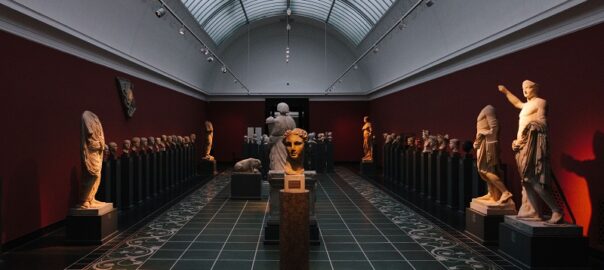
Denver Art Museum gallery displaying classical sculptures and busts in a spacious exhibition hall

Discover Denver’s Top Museums & Cultural Gems: Your Ultimate Mile-High City Guide

TL;DR: Denver’s Best Cultural Experiences at a Glance

Denver is packed with museums, galleries, performing arts venues, immersive experiences, and creative neighborhoods. If you want to make the most of your cultural adventure, consider adding these highlights to your itinerary:

  • Denver Art Museum: A must-visit for major art collections, bold architecture, and family-friendly activities.
  • Denver Museum of Nature & Science: Ideal for dinosaur fans, families, science lovers, and curious travelers.
  • Clyfford Still Museum: A peaceful, focused experience for fans of abstract expressionism.
  • History Colorado Center: A fascinating look at Colorado’s past, from Indigenous cultures to statehood and beyond.
  • Meow Wolf Denver: Convergence Station: An immersive, interactive art experience unlike a traditional museum.
  • Denver Performing Arts Complex: Catch Broadway productions, ballet, symphony performances, and jazz.
  • Santa Fe Arts District: Explore galleries, studios, shops, street art, food, and the popular First Friday Art Walk.
  • RiNo Art District: Discover murals, galleries, studios, pop-up events, cafes, and breweries.
  • Denver Film and Sunset Cinema: Enjoy community movie nights and year-round film events.
  • Budget-friendly options: Look for free museum days, First Friday events, and special penny admission days.

Whether you are planning a weekend getaway or a longer Mile-High City adventure, Denver makes it easy to combine iconic attractions with unexpected cultural discoveries.

Introduction: Why Denver Belongs on Every Culture Lover’s Itinerary

Denver pulses with creativity, history, art, and high-altitude energy. From world-class museums and immersive art installations to lively gallery districts and outdoor movie nights, the Mile-High City offers plenty of ways to experience culture beyond the usual sightseeing checklist.

If you are searching for the best museums in Denver or looking for cultural attractions that show off the city’s personality, you have plenty of options. The real challenge is deciding where to begin.

This guide brings together some of Denver’s standout museums and cultural gems, along with practical tips for transportation, free admission days, neighborhoods, and seasonal planning. Whether you are traveling with family, exploring with friends, or enjoying a solo cultural escape, these recommendations can help you build an itinerary that feels exciting, flexible, and distinctly Denver.

Top Museums in Denver

Denver Art Museum

The Denver Art Museum, often called DAM, is one of the city’s most recognizable cultural institutions. Its striking architecture immediately catches the eye, but the collections inside are what make this museum such an important stop for art lovers.

In 2025 alone, the museum added more than 750 works across 11 curatorial departments, strengthening its focus on diverse voices and modern masters. Current highlights include a major Camille Pissarro retrospective. The exhibition is especially notable because it represents the only U.S. venue for this “Father of Impressionism” show in 40 years.

Looking ahead, 2026 exhibitions include “Space Is the Place: Art & Design in the Atomic Age” and “The Stars We Do Not See: Australian Indigenous Art.”

Best for: Art lovers, architecture fans, families, and visitors who enjoy exploring a wide range of artistic styles.

Insider tip: Arrive early on a free admission day, and consider making a reservation when recommended. Visiting earlier can help you avoid some of the busiest crowds. Also check the museum’s spring and summer programming for drawing classes, mindful looking sessions, and family activities that can make your visit more interactive.

Denver Museum of Nature & Science

If dinosaurs, space, wildlife, and hands-on learning sound like your idea of a great day, the Denver Museum of Nature & Science should be high on your list.

The museum is a powerhouse of educational entertainment. Visitors can explore towering dinosaur skeletons in Prehistoric Journey, take an immersive trip through space in Space Odyssey, and experience rotating special exhibitions that may require timed tickets.

Because there is so much to see, it is worth giving yourself plenty of time. Locals recommend allowing roughly three to five hours if you want to experience the major halls without constantly checking the clock.

Best for: Families, science enthusiasts, children, and anyone who enjoys interactive exhibits with plenty of wow factor.

Insider tip: On busy weekends, arrive close to opening time. Before you start exploring, choose two or three must-see exhibits and use the museum map to plan your route. This strategy can help you cover your priorities while still leaving room for unexpected discoveries, including the Egyptian mummies and wildlife halls.

Clyfford Still Museum

Located in Denver’s Golden Triangle Creative District, the Clyfford Still Museum offers a completely different experience from the city’s larger, busier institutions.

This minimalist museum is dedicated to Clyfford Still, one of abstract expressionism’s most influential and intense voices. It houses more than 95 percent of Still’s monumental paintings and archives, giving visitors an unusually focused opportunity to explore his work and creative legacy.

The setting itself contributes to the experience. Instead of racing from one major attraction to another, visitors can slow down, observe the artwork, and spend time with Still’s distinctive approach to color, form, and expression.

The museum’s 2026 exhibition “Tools of the Trade” explores Still’s experimentation with materials and techniques throughout his career.

Best for: Serious art enthusiasts, photography lovers, and travelers who appreciate quiet, contemplative cultural spaces.

Insider tip: Plan for a focused visit of approximately 60 to 90 minutes. Also check the museum calendar for “Pay What You Can” opportunities, which are often offered on the first Thursday of the month.

History Colorado Center

Want to understand how Colorado became the place it is today? The History Colorado Center offers a fascinating way to explore that story.

The museum brings the state’s past to life across three floors of exhibits covering topics such as gold mining, the Wild West, Ancestral Puebloan cultures, and Colorado’s path to statehood.

In 2026, the museum is celebrating Colorado’s 150th birthday as well as the United States’ 250th anniversary. Special exhibitions include “Moments that Made US,” which features remarkable artifacts such as George Washington’s spurs, Jackie Robinson’s bat, and Apollo moon rocks.

Another exhibition to look for is “38th Star: Colorado Becomes the Centennial State.” It explores the complicated journey toward statehood through historical photographs, documents, and voices from the period.

Best for: History buffs, families, students, and visitors who want a deeper understanding of Colorado’s role in American history.

Insider tip: Check the calendar before visiting so you can coordinate your trip with special touring exhibitions. The Freedom Plane National Tour, scheduled for late May through mid-June 2026, brings rare founding documents to Denver for a limited time.

Meow Wolf Denver: Convergence Station

Meow Wolf’s Convergence Station is not a conventional museum, but it deserves a spot on any list of Denver cultural attractions.

This massive multisensory art experience combines surreal environments, hidden stories, interactive puzzles, and imaginative worlds. Instead of simply looking at art from a distance, visitors are encouraged to explore, touch, investigate, and follow their curiosity.

Located near Empower Field at Mile High, Convergence Station is especially appealing if you want something outside the traditional museum experience. It can feel part art installation, part interactive adventure, and part mysterious storytelling experience.

Best for: Teens, adults, creative travelers, and anyone who enjoys immersive, interactive, and highly visual experiences.

Insider tip: Give yourself at least two hours and wear comfortable shoes. Resist the urge to rush from one room to the next. Wandering away from the obvious path can reveal hidden spaces, secret rooms, and narrative details that reward curious visitors.

Cultural Attractions Beyond Museums

Denver’s cultural identity stretches far beyond traditional museums. Once you have explored a few galleries and exhibitions, expand your itinerary with live performances, neighborhood art walks, outdoor movies, and creative districts.

Denver Performing Arts Complex

The Denver Performing Arts Complex, or DCPA, is one of the country’s largest performing arts centers and an essential stop for anyone who loves live entertainment.

Its 2026 lineup includes major Broadway productions such as “The Phantom of the Opera,” “MJ,” and “Water for Elephants.” The schedule also includes local favorites such as “Dracula: A Comedy of Terrors.”

The complex is also preparing to launch its new season in September 2026 with First Act, a free preview event featuring performances and tours from organizations including the Colorado Symphony, Colorado Ballet, Opera Colorado, and Dazzle jazz club.

Why it’s worth it: Few places make it this easy to experience touring Broadway productions, ballet, symphony concerts, and intimate jazz performances within the same walkable campus.

Insider tip: If you are visiting in September, mark your calendar for the free First Act celebration. If you already know which production you want to see, check the DCPA schedule and subscriber pre-sale information so you can plan ahead.

Santa Fe Arts District and First Friday Art Walk

The Art District on Santa Fe is one of Denver’s longest-running creative corridors and one of the best places to experience the city’s local art scene.

More than 70 galleries, studios, and shops line Santa Fe Drive between 5th and 11th Avenues. On the first Friday of every month, the neighborhood becomes even more energetic as galleries open their doors and the district fills with visitors.

The First Friday Art Walk runs from approximately 5:30 to 9:30 p.m. and features open galleries, sidewalk vendors, food trucks, and live music. August’s event is particularly lively, with Santa Fe Drive closed to traffic for a block-party atmosphere.

Why it’s worth it: First Friday is free, casual, social, and full of opportunities to meet local artists while exploring one of Denver’s most creative neighborhoods.

Insider tip: Consider taking public transportation instead of driving. The RTD D, E, and H lines serve the area, with access at the 10th and Osage Station. You can also use the Art District Connector, or ART shuttle, from Alameda Station to make getting around easier and avoid parking challenges.

RiNo Art District

The River North, better known as RiNo, Art District offers another side of Denver’s creative personality.

This gritty-chic neighborhood northeast of downtown is filled with galleries, working studios, colorful murals, and changing street art. Because installations and exhibitions can change frequently, even repeat visitors may discover something new.

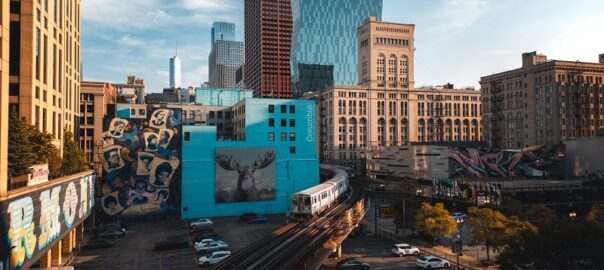
Look for group exhibitions such as “The Pulse” at Cambria Hotel, studio open houses along Blake Street, and the ever-changing murals that turn many RiNo blocks into an outdoor gallery.

Why it’s worth it: RiNo makes it easy to combine art and entertainment with dining and nightlife. You can explore working artist spaces before stopping at a cafe, brewery, or restaurant.

Insider tip: A weekend afternoon can be a good time to visit because more studios may be open. Before heading out, check the RiNo website and social channels for pop-up markets, exhibitions, studio events, and art walks.

Denver Film and Sunset Cinema

Denver Film gives movie lovers opportunities to enjoy cinema throughout the year. During summer, however, the experience moves outdoors with Sunset Cinema at the Denver Performing Arts Complex Sculpture Park.

The 2026 season includes free screenings of crowd-pleasing films such as “The Fifth Element” and “National Treasure.” The result is a relaxed community movie night where visitors can enjoy a film under the stars without purchasing a traditional theater ticket.

Why it’s worth it: Sunset Cinema is an easygoing, family-friendly way to experience Denver’s film culture while enjoying an outdoor setting.

Insider tip: Arrive early, bring a blanket, and pack snacks for a comfortable evening. It is also worth checking the Denver Film calendar for festival screenings, special events, and other movie experiences happening outside the summer series.

Practical Tips for Exploring Denver’s Cultural Scene

A little planning can make it much easier to fit multiple museums and cultural attractions into one trip.

Where to Stay

Culture-focused travelers can benefit from staying in neighborhoods such as LoDo, the Golden Triangle, and the Art District on Santa Fe.

LoDo

Lower Downtown, commonly known as LoDo, puts you close to Union Station and within convenient reach of attractions such as the Denver Art Museum and Denver Performing Arts Complex.

It is a useful choice if you want a central location with plenty of restaurants, entertainment, and transportation options nearby.

Golden Triangle

The Golden Triangle is especially convenient for museum lovers. The Denver Art Museum, Clyfford Still Museum, and History Colorado Center are all clustered within a relatively compact area.

Staying nearby can make it easier to explore several cultural attractions without spending much time traveling between them.

Art District on Santa Fe

For a more local and artsy atmosphere, consider the Santa Fe area. You will have easy access to galleries, studios, restaurants, and the monthly First Friday Art Walk.

Getting Around Denver

You do not necessarily need a car to explore Denver’s cultural attractions.

The city’s light rail and bus network, operated by RTD, makes it possible to move between many cultural hubs without driving. The D, E, and H lines serve the Santa Fe Arts District, while the Art District Connector shuttle connects Alameda Station with galleries and attractions along Santa Fe Drive.

Rideshare services are another convenient option, while many downtown attractions are close enough to reach on foot from centrally located hotels.

Travel tip: If your itinerary includes several museums and cultural districts, group nearby attractions together. For example, you can explore the Golden Triangle museums on one day and devote another afternoon or evening to Santa Fe or RiNo.

Budget Tips and Free Museum Days

One of the best things about exploring Denver’s cultural scene is that you do not always need a large budget.

The Denver Art Museum, Denver Museum of Nature & Science, Denver Zoo, and Denver Botanic Gardens all offer free admission days during 2026, often through the Scientific and Cultural Facilities District, or SCFD, program.

Some key dates include:

Denver Art Museum Free Days

  • January 13
  • February 10
  • March 10
  • April 26
  • May 12
  • June 9
  • July 14
  • August 1
  • September 12
  • October 13
  • November 7
  • December 8

Denver Museum of Nature & Science Free Days

The museum has multiple free dates throughout the year, including:

  • April 26, Día del Niño
  • June 19, Juneteenth
  • September 12
  • November 7, Night at the Museums

Dates and admission requirements can vary, so it is smart to confirm details with the individual museum before making plans.

First Friday Art Walk

The First Friday Art Walk is free every first Friday of the month, generally running from 5:30 to 9:30 p.m.

This is one of the easiest ways to experience Denver’s creative scene without paying museum admission. You can spend the evening moving between galleries, listening to live music, browsing local work, and grabbing food along the way.

For Colorado residents, some museums also offer penny days, with admission available for just one cent on select dates. Because schedules can change, always check each venue’s current calendar before your visit.

Seasonal Advice for Visiting Denver

Denver’s cultural attractions can feel very different depending on the time of year, so consider matching your itinerary to the season.

Summer in Denver

Summer is ideal for outdoor cultural activities. Longer days create more time for gallery hopping, neighborhood exploration, outdoor festivals, and evening events.

It is also the season for Sunset Cinema and extended First Friday evenings, making summer a great choice if you want to combine museums with outdoor entertainment.

Winter in Denver

Winter can be perfect for a museum-focused trip. Colder weather gives you an excellent excuse to spend several hours exploring indoor exhibitions, followed by a cozy cafe visit.

The winter season is also a good time to catch holiday programming and performances at the Denver Performing Arts Complex.

Special 2026 Celebrations

If you are visiting Denver around Colorado’s 150th birthday in August 2026 or the United States’ 250th anniversary in July 2026, expect special exhibitions, programs, and events.

History Colorado Center is particularly worth watching during these celebrations, although other cultural venues may also offer related programming.

Make Your Denver Cultural Adventure Your Own

Denver’s museums and cultural attractions reward curiosity. You can spend an entire day immersed in history, art, and science, or create a more relaxed itinerary that combines one museum with a neighborhood art walk, live performance, or outdoor movie.

The key is not to try to see everything at once.

Choose a few must-see attractions, group destinations by neighborhood, take advantage of free admission opportunities, and leave some space in your schedule for spontaneous discoveries. You might find a new favorite gallery while exploring Santa Fe, stumble across an unforgettable mural in RiNo, or spend much longer than expected inside an immersive world at Convergence Station.

From world-class museums and historic collections to local galleries and free community events, Denver offers an impressive range of cultural experiences. Plan your favorites, follow your curiosity, and let the Mile-High City’s creative energy shape the rest of your adventure.

This post is generated by Chatgpt.
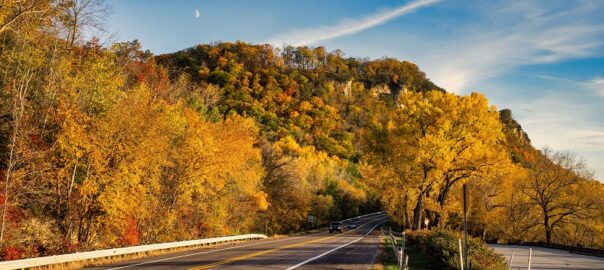
Discover Denver hidden gems, from secret bars to scenic parks and local favorites. Explore 15 unique spots locals love and plan your visit.

Denver’s Best Hidden Gems: 15 Secret Spots Locals Love

TL;DR

Looking for the best hidden gems in Denver? Skip the typical tourist attractions and discover the places locals genuinely love. From secret speakeasies and historic landmarks to scenic parks, colorful art districts, and neighborhood dining favorites, these 15 hidden spots reveal a more authentic side of the Mile High City. Whether you’re visiting for the first time or you’re a longtime resident searching for something new, these destinations offer memorable experiences beyond the usual sightseeing checklist.

Discover a Different Side of Denver

Denver is famous for its mountain views, outdoor adventures, and well-known attractions, but some of its most rewarding experiences are tucked away from the crowds. Beyond the popular museums and busy downtown streets, you’ll find hidden bars, peaceful parks, historic buildings, creative neighborhoods, and beloved local restaurants that showcase the city’s unique personality.

Exploring these lesser-known destinations gives you the chance to experience Denver the way many locals do. Instead of rushing from one major attraction to another, you can uncover places filled with character, history, creativity, and community. Whether you’re planning a weekend getaway or simply searching for something different to do, these hidden gems deserve a place on your itinerary.

1. Williams & Graham

One of Denver’s most famous hidden bars, Williams & Graham is concealed behind a bookcase inside what appears to be an ordinary bookstore. Walking through the secret entrance immediately sets the tone for an unforgettable evening.

Inside, you’ll find an elegant speakeasy with expertly crafted cocktails, sophisticated décor, and an intimate atmosphere. If you enjoy unique nightlife experiences, this is one of the city’s must-visit destinations.

2. Dinosaur Ridge

Located just outside Denver in nearby Morrison, Dinosaur Ridge offers one of the area’s most fascinating outdoor experiences. Visitors can walk alongside genuine dinosaur footprints and fossilized remains preserved in ancient rock formations.

Nature lovers, families, history enthusiasts, and anyone curious about prehistoric life will appreciate this remarkable attraction. Best of all, much of the experience can be enjoyed for free, making it one of the best hidden values near Denver.

3. Sloan’s Lake

Although Sloan’s Lake is Denver’s second-largest park, many visitors still overlook it in favor of busier green spaces.

The scenic trail surrounding the lake offers beautiful mountain views, peaceful walking paths, and plenty of open space for jogging, biking, or relaxing. It is especially beautiful during sunset when the skyline and mountains create a memorable backdrop.

4. The Brown Palace Lobby

You do not need to book a room to appreciate the beauty of the historic Brown Palace Hotel. Simply stepping into the grand lobby feels like traveling back to an earlier era of Denver’s history.

Its elegant architecture, timeless design, and refined atmosphere make it an excellent stop for visitors who appreciate historic buildings and classic city landmarks. The hotel’s distinctive character extends from its grand public spaces to the details visitors encounter throughout the property, including its door locks and other historic architectural features.

5. Forney Museum of Transportation

The Forney Museum of Transportation often surprises first-time visitors with its impressive collection of automobiles, trains, motorcycles, and transportation memorabilia.

While larger attractions often receive more attention, this museum offers a fascinating journey through transportation history that appeals to both enthusiasts and casual visitors looking for something different.

6. Tom’s Diner

Few places capture Denver’s local character quite like Tom’s Diner. Open around the clock, this longtime favorite has become a dependable destination for comfort food, late-night meals, and casual conversations.

Its welcoming atmosphere and no-frills charm have made it a beloved institution for generations of Denver residents.

7. Pete’s Kitchen

Another legendary Colfax destination, Pete’s Kitchen has earned its reputation through decades of serving classic diner fare with plenty of personality.

Whether you’re stopping in for breakfast, lunch, or a late-night bite, you’ll experience a local favorite that continues to attract loyal customers year after year.

8. The Green Russell

Hidden below street level, The Green Russell embraces the mystery and style of the Prohibition era. Its intimate setting, creative cocktails, and vintage-inspired décor make every visit feel like discovering a well-kept secret.

For anyone seeking a memorable evening with a distinctive atmosphere, this speakeasy is an excellent choice.

9. Death & Co Denver

Death & Co Denver has built a reputation for exceptional cocktails while maintaining the intimate feel of a hidden destination.

Visitors who appreciate carefully crafted drinks, attentive service, and refined surroundings will find this to be one of Denver’s premier cocktail experiences.

10. International Church of Cannabis

Few attractions reflect Denver’s creative and unconventional spirit quite like the International Church of Cannabis.

Known for its vibrant artwork and imaginative atmosphere, this colorful destination offers visitors a unique cultural experience that stands apart from traditional tourist attractions.

11. RiNo Art District

The River North Art District, commonly known as RiNo, is one of Denver’s most vibrant creative neighborhoods.

Although it has grown in popularity over the years, the district still rewards visitors who wander beyond the main streets. Colorful murals, independent galleries, breweries, and converted warehouses combine to create one of the city’s most energetic destinations.

12. Fairmount Cemetery

Fairmount Cemetery offers much more than a peaceful resting place. It also serves as one of Denver’s most interesting historical landmarks.

Visitors interested in architecture, local history, and tranquil surroundings often discover that this quiet location provides a surprisingly meaningful and reflective experience.

13. Little Man Ice Cream and Its Neighborhood

Little Man Ice Cream is certainly well known, but the surrounding neighborhood remains one of Denver’s favorite gathering places.

Picking up a cone before strolling through the nearby streets creates a relaxed outing that feels distinctly local. It is an ideal stop for families, couples, and anyone looking to enjoy one of Denver’s friendliest neighborhoods.

14. The Yacht Club

Hidden beneath a fake bait shop, The Yacht Club embraces playful creativity from the moment you arrive.

This secret tiki bar combines imaginative décor, tropical-inspired drinks, and a fun atmosphere that makes every visit feel like an adventure. It is exactly the kind of unexpected experience that makes exploring Denver so enjoyable.

15. Jerusalem Restaurant on Federal

Jerusalem Restaurant has become a longtime neighborhood favorite thanks to its welcoming atmosphere and consistently satisfying food.

Rather than choosing another familiar chain restaurant, visitors can enjoy a dining experience full of local character and authentic personality. It remains one of those places that residents happily recommend to friends and returning visitors alike.

Why These Denver Hidden Gems Are Worth Visiting

What truly sets these hidden gems apart is the variety of experiences they offer. Some celebrate Denver’s rich history, while others showcase its artistic spirit, thriving food scene, scenic beauty, or creative nightlife.

Unlike attractions designed primarily for tourists, these destinations help you connect with the city’s authentic personality. They encourage you to slow down, explore different neighborhoods, and discover the places that locals continue to enjoy year after year.

Whether you’re interested in history, outdoor recreation, architecture, art, food, or cocktails, you’ll find something on this list that adds a unique perspective to your Denver adventure.

Final Thoughts

The best way to experience Denver is not by checking every attraction off a list. Instead, mix a few of these hidden gems into your travel plans and allow yourself time to explore at a relaxed pace.

From peaceful lakes and fascinating museums to secret speakeasies, historic landmarks, and neighborhood favorites, these locations reveal the city’s charm in ways that many visitors never experience.

The next time you’re planning a trip to Denver, venture beyond the obvious destinations and discover why locals continue to treasure these unforgettable hidden spots.

This post is generated by Chatgpt.

Denver downtown skyline with murals and light rail, a top sight for first-time visitors to Denver.

Essential Denver Tips: What First-Time Visitors Must Know Before Going

Planning your first trip to Denver? Here are the most important things to know before you arrive:

  • Fly into Denver International Airport (DEN) and take the affordable A Line train to downtown.
  • Denver’s high altitude can affect visitors, so drink plenty of water, take it easy on your first day, and avoid too much alcohol.
  • Pack layers because the weather can change quickly, even on sunny days.
  • Explore popular neighborhoods like LoDo, RiNo, Cherry Creek, Capitol Hill, and the Highlands for a well-rounded Denver experience.
  • Use RTD public transportation, bikes, or scooters to get around the city with ease.
  • Visit iconic attractions like Red Rocks Amphitheatre, Denver Art Museum, Denver Zoo, and nearby hiking trails.
  • Budget for parking and tipping, and use common safety precautions while exploring.
  • Consider taking a day trip to Boulder, Golden, or Idaho Springs if you have extra time.

Welcome to Denver: Your First-Time Visitor Guide

Denver, Colorado is one of the most exciting cities in the American West. Known as the Mile High City, it combines a thriving urban atmosphere with easy access to stunning mountain scenery, outdoor adventures, award-winning breweries, and unique cultural attractions. Whether you are planning a weekend getaway or a longer vacation, knowing a few practical tips before you arrive can make your trip smoother, more enjoyable, and far less stressful.

If this is your first visit to Denver, this guide covers everything you need to know. From transportation and altitude tips to the best neighborhoods, must-see attractions, safety advice, and easy day trips, these essential Denver travel tips will help you make the most of every moment.

Arrival Basics

Flying Into Denver

Most visitors arrive through Denver International Airport (DEN), one of the busiest airports in the United States. It offers extensive domestic and international connections, making it easy to reach from almost anywhere.

After landing, you have several transportation options to reach the city.

  • Take the A Line commuter rail for a fast, affordable ride to downtown Denver.
  • Use rideshare services if you prefer direct transportation, but be aware that surge pricing is common during busy travel periods.
  • If you plan to rent a car, reserve long-term parking in advance whenever possible to save both money and time.

The A Line is often the easiest choice for first-time visitors because it avoids traffic while providing a comfortable trip into the heart of the city.

Public Transit and Parking Tips

Denver has a reliable public transportation network operated by RTD.

To make traveling easier:

  • Purchase a reloadable RTD card or simply use contactless payment on trains and buses.
  • Remember that downtown parking can be expensive, especially during weekends and special events.
  • Consider using park-and-ride facilities if you plan to drive only part of the way.
  • Bike-share stations and electric scooters are widely available throughout downtown and popular neighborhoods. Always stay aware of designated bike lanes and local riding rules.

Getting your transportation sorted early allows you to spend more time enjoying Denver and less time worrying about logistics.

Weather and Altitude: What Every Visitor Should Know

Understanding Denver’s High Altitude

One of the biggest surprises for many first-time visitors is Denver’s elevation. Sitting approximately one mile above sea level, the city has noticeably thinner air than many travelers are accustomed to.

During your first day, you may experience:

  • Mild headaches
  • Shortness of breath
  • Fatigue
  • Faster dehydration than expected

Fortunately, most visitors adjust within 24 to 48 hours.

To help your body adapt:

  • Drink plenty of water throughout the day.
  • Avoid strenuous physical activity immediately after arriving.
  • Limit alcohol during your first evening since it can worsen altitude symptoms.
  • Get plenty of rest before attempting longer hikes or mountain excursions.

Packing for Changing Weather

Denver enjoys over 300 days of sunshine each year, but weather conditions can change quickly.

Even during warmer months, it is smart to pack:

  • Lightweight layers
  • A waterproof jacket
  • Comfortable closed-toe walking or hiking shoes
  • Sunglasses
  • Sunscreen with strong UV protection

The higher elevation means ultraviolet rays are stronger, so protecting your skin and eyes is especially important.

Best Neighborhoods to Explore

Each Denver neighborhood has its own personality, making it worthwhile to explore more than just downtown.

LoDo (Lower Downtown)

LoDo is Denver’s historic district and one of the city’s most popular areas for visitors.

Highlights include:

  • Historic architecture
  • Union Station
  • Restaurants and nightlife
  • Boutique shopping

One experience you should not miss is grabbing a meal or snack from one of the market-style eateries inside Union Station before exploring the surrounding streets.

RiNo (River North Art District)

RiNo is Denver’s creative hub.

This vibrant neighborhood features:

  • Colorful street murals
  • Art galleries
  • Craft breweries
  • Trendy cafes
  • Tasting rooms

Take time to walk through the Art District, where nearly every block offers incredible public artwork.

Capitol Hill

Capitol Hill blends history, architecture, museums, and nightlife into one walkable neighborhood.

Be sure to visit the Colorado State Capitol, where you can stand on the famous Mile High step while enjoying panoramic city views.

Cherry Creek

If shopping and upscale dining are on your itinerary, Cherry Creek should be near the top of your list.

Enjoy:

  • Luxury boutiques
  • Art galleries
  • Stylish restaurants
  • Walkable shopping streets

Even if you are not planning to shop, the neighborhood is perfect for an afternoon stroll.

Highlands

The Highlands offers a more relaxed atmosphere with fantastic local restaurants, coffee shops, and beautiful skyline views.

Highland Square is an excellent place to enjoy local dining while experiencing one of Denver’s favorite neighborhoods.

Together, these neighborhoods provide a diverse introduction to the city’s history, food scene, arts, and culture. Public transportation and rideshare services make it easy to visit several in a single day.

Getting Around Denver

Using Public Transportation

Denver’s RTD light rail and bus system serves many of the city’s top attractions.

Visitors can purchase:

  • Single-ride tickets
  • Day passes
  • Multi-day transit options

Be sure to check schedules before traveling, particularly on weekends when service frequencies may differ.

Biking, Scooters, and Driving

Denver consistently ranks as one of America’s more bike-friendly cities.

You can easily rent:

  • Traditional bicycles
  • Electric bikes
  • Electric scooters

Scooters are ideal for short trips between neighborhoods, but always park them responsibly so sidewalks remain accessible.

If you choose to drive, keep in mind:

  • Rush hour traffic can be heavy.
  • Downtown parking fees add up quickly.
  • Popular attractions may have limited parking during busy seasons.

Typical Travel Times

Understanding approximate travel times can help you plan your days more efficiently.

  • Denver International Airport to downtown: approximately 40 to 50 minutes via the A Line.
  • Downtown to Cherry Creek: roughly 10 to 20 minutes.
  • Downtown to Red Rocks Amphitheatre: approximately 20 to 30 minutes.

Planning around these travel times helps maximize your sightseeing opportunities.

Must-See Denver Experiences

No first trip to Denver is complete without experiencing a mix of outdoor adventures, cultural attractions, and local food.

Outdoor Attractions

Red Rocks Amphitheatre is one of Colorado’s most iconic destinations.

Even if there is no concert scheduled, the dramatic rock formations and scenic viewpoints make it well worth visiting.

If you enjoy hiking, consider nearby trails such as:

  • Mount Falcon Park
  • Other foothill trails located within about 30 minutes of downtown

These short hikes offer beautiful mountain scenery without requiring a full-day commitment.

Museums and Culture

Denver has an impressive collection of museums suitable for all ages.

Popular choices include:

  • Denver Art Museum
  • Denver Museum of Nature & Science

Music lovers should also spend an evening exploring LoDo or one of Denver’s many intimate live music venues.

Food and Drinks

Denver’s food scene continues to grow each year.

While visiting, make time to enjoy:

  • Colorado green chili
  • Local brunch spots
  • Independent coffee shops
  • Craft breweries, especially throughout RiNo
  • Neighborhood bistros featuring regional ingredients

Sampling local flavors is one of the best ways to experience the city’s culture.

Family-Friendly Activities

Traveling with children?

Several attractions are especially popular with families:

  • Denver Zoo
  • Downtown Aquarium

Both offer enjoyable experiences that can easily fill half or even an entire day.

To create a balanced itinerary, try combining one outdoor activity with one city attraction each day. Comfortable walking shoes are highly recommended because you will likely cover plenty of ground.

Money and Safety Tips

Tipping Expectations

Tipping is standard throughout Denver.

Typical guidelines include:

  • Restaurants: 15 to 20 percent
  • Bars: $1 to $2 per drink
  • Rideshare drivers: Standard gratuity based on service

Budgeting for Your Trip

Denver offers options for nearly every budget.

While restaurants and attractions in tourist areas can be moderately priced, grocery stores and casual dining often provide affordable alternatives for travelers looking to save money.

Staying Safe

Denver is generally considered a safe destination for visitors.

Still, it is wise to follow basic travel precautions:

  • Avoid isolated or poorly lit streets late at night.
  • Never leave valuables visible inside parked vehicles.
  • Store passports and important documents in your hotel safe whenever possible.
  • Stay aware of your surroundings in busy tourist areas.

Emergency Information

If you experience an emergency during your trip:

  • Dial 911 for immediate police, fire, or medical assistance.
  • For non-emergency situations, use the local police department’s published non-emergency phone numbers.

Keeping this information in mind provides extra peace of mind throughout your visit. If you’re staying in a rental home or traveling by car, it can also be helpful to know where to find a reliable garage door service in Denver in case a garage door becomes damaged, stuck, or stops working unexpectedly.

Easy Day Trips From Denver

If your schedule allows, several excellent destinations are within one to two hours of downtown.

Boulder

Located about 30 to 40 minutes away, Boulder offers:

  • Pearl Street Mall
  • Incredible Flatirons views
  • Excellent restaurants
  • Scenic walking paths

It is one of Colorado’s most popular day trips.

Golden

Golden sits roughly 25 to 35 minutes from Denver.

Visitors can enjoy:

  • Lookout Mountain
  • Short hiking trails
  • Historic downtown
  • Tours of the famous Coors Brewery

It is a great combination of outdoor recreation and local history.

Idaho Springs

Approximately 40 to 60 minutes west of Denver, Idaho Springs is known for:

  • Relaxing hot springs
  • Historic mining attractions
  • Mountain scenery
  • Charming small-town atmosphere

It is an ideal escape if you want a slower pace after spending time in the city.

During winter, always check road conditions before leaving Denver. In summer, expect heavier weekend traffic on mountain highways, especially during holiday weekends.

Final Thoughts

Denver offers an unforgettable mix of city attractions, outdoor adventures, excellent food, vibrant neighborhoods, and easy access to the Rocky Mountains. With a little preparation, your first visit can be both relaxing and memorable.

Remember to stay hydrated, pack for changing weather, explore several neighborhoods, and leave room in your itinerary for unexpected discoveries. Some of Denver’s best experiences happen when you simply wander into a local coffee shop, stumble upon a street mural, or catch a sunset with the mountains in the background. While exploring different parts of the metro area, you’ll also find a variety of helpful local services, including a local locksmith in neighboring areas that can assist travelers and residents when unexpected lock or key issues arise.

Whether you are visiting for a weekend or planning an extended Colorado vacation, these first-time Denver travel tips will help you arrive prepared and make the most of your time in the Mile High City. Start planning your itinerary today and get ready to experience one of America’s most welcoming and adventure-filled destinations.

This post is generated by Chatgpt.

Scenic mountain road near Denver, Colorado, surrounded by colorful trees and autumn foliage during a scenic road trip.

10 Best Scenic Drives Near Denver You’ll Want to Take This Summer

Summer in Colorado feels like something straight out of a postcard. The mountains glow with vibrant shades of green, wildflowers bloom across high alpine meadows, and endless blue skies stretch across the horizon. It’s the season when the open road becomes impossible to resist.

If you’re based in Denver or visiting the Mile High City, there’s no better way to experience Colorado’s natural beauty than by taking a scenic drive. From soaring mountain passes and winding canyon roads to charming small towns and unforgettable overlooks, these routes showcase some of the best landscapes the Rockies have to offer.

TL;DR: Best Scenic Drives Near Denver

If you’re short on time, here are the top picks:

  • Best Overall: Trail Ridge Road
  • Highest Elevation Drive: Mount Evans Scenic Byway
  • Best Full-Day Adventure: Peak to Peak Scenic Byway
  • Best Quick Escape: Lookout Mountain and Golden
  • Best Family-Friendly Drive: Deer Creek Canyon Road
  • Best Hidden Gem: Guanella Pass
  • Best for Wildlife Viewing: Trail Ridge Road
  • Best for Photography: Golden Gate Canyon Road
  • Best Relaxing Drive: Bear Creek Canyon Drive
  • Best Historic Route: Lariat Loop

Ready to hit the road? Here are the 10 scenic drives near Denver that deserve a spot on your summer bucket list.


1. Trail Ridge Road (Rocky Mountain National Park)

  • Distance: 48 miles
  • Drive Time: 2 to 3 hours
  • Best Summer Time: Late June through September

If there’s one drive that belongs on every Colorado road trip list, it’s Trail Ridge Road. Stretching through Rocky Mountain National Park, this incredible route climbs above the tree line and delivers jaw-dropping views in every direction.

As you ascend beyond 12,000 feet, the landscape transforms into a vast alpine tundra. The air feels crisp, the scenery becomes dramatic, and wildlife sightings are common. Keep your eyes open for bighorn sheep, elk, and marmots as you make your way across the Continental Divide.

Highlights

  • Alpine Visitor Center at 11,796 feet
  • Moraine Park for wildlife viewing
  • Glen Haven area and nearby waterfalls
  • Panoramic mountain vistas across the park

Tips

  • Park entrance fees apply, so plan ahead
  • Arrive early during summer to beat the crowds
  • Fill your gas tank before entering the park
  • Before setting out, keep your car key and a spare in separate secure places in case one gets misplaced during the trip.
  • Check weather and road conditions before your trip

This drive delivers the kind of mountain scenery people travel across the world to see.


2. Mount Evans Scenic Byway

  • Distance: 29 miles
  • Drive Time: 1.5 to 2 hours
  • Best Summer Time: July through September

Looking for a true bucket-list experience? The Mount Evans Scenic Byway takes you to one of the highest drivable points in North America.

The road climbs steadily toward an incredible elevation of 14,130 feet. Along the way, you’ll pass sparkling alpine lakes, rugged mountain terrain, and breathtaking overlooks that seem to stretch forever.

The higher you go, the more surreal the landscape becomes. It’s not uncommon to spot mountain goats casually wandering near the road.

Highlights

  • Summit Lake Park
  • Spectacular alpine scenery
  • Mountain goat sightings
  • Incredible summit views

Tips

  • Bring warm layers, even on hot summer days
  • Reserve your visit in advance when required
  • Stay hydrated because high elevations can affect visitors quickly
  • Take your time and enjoy the overlooks

Few drives near Denver offer such an unforgettable combination of adventure and scenery.


3. Peak to Peak Scenic Byway

  • Distance: 55 miles
  • Drive Time: Around 2.5 hours
  • Best Summer Time: June through September

The Peak to Peak Scenic Byway is Colorado’s oldest scenic byway, and it remains one of the most beautiful.

Connecting several historic mountain towns, this route combines towering mountain views with fascinating local history. You’ll pass through communities like Idaho Springs, Central City, Black Hawk, and Estes Park, each offering unique attractions and places to stop.

The changing scenery keeps the drive exciting from start to finish.

Highlights

  • Historic downtown Idaho Springs
  • Views of Mount Blue Sky and surrounding peaks
  • Clear Creek recreation areas
  • Charming mountain communities

Tips

  • Allow extra time for sightseeing stops
  • Bring your camera because there are plenty of photo opportunities
  • Watch for seasonal weather changes
  • Explore local restaurants and cafés along the route

This drive is ideal for travelers who enjoy combining scenic landscapes with small-town exploration.


4. Lariat Loop

  • Distance: 30 miles
  • Drive Time: About 1.5 hours
  • Best Summer Time: All summer long

Not every scenic drive requires an entire day. The Lariat Loop is perfect for travelers looking for a shorter adventure packed with beautiful scenery and interesting landmarks.

The route loops through Golden and nearby foothills, offering easy access to parks, historic sites, and mountain views.

Highlights

  • Buffalo Bill Museum and Grave
  • Historic downtown Golden
  • Clear Creek recreation areas
  • Scenic mountain overlooks

Tips

  • Perfect for a half-day outing
  • Great option for families
  • Plenty of dining choices in Golden
  • Easy access from Denver

The Lariat Loop proves that incredible scenery can be found just minutes from the city.


5. Guanella Pass

  • Distance: 16 miles
  • Drive Time: About 45 minutes
  • Best Summer Time: July through September

If you’re searching for a route that feels more remote and less crowded, Guanella Pass is an excellent choice.

This scenic mountain drive winds through dense forests, colorful wildflower fields, and high-elevation landscapes that showcase Colorado’s rugged beauty.

The peaceful atmosphere makes it feel like you’ve discovered a secret corner of the Rockies.

Highlights

  • Expansive mountain views
  • Wildflower meadows
  • Forest trails and hiking opportunities
  • Quiet scenic pull-offs

Tips

  • Check road conditions before departing
  • Bring plenty of water
  • Fuel up ahead of time
  • Start early for the best lighting and fewer crowds

For travelers seeking a quieter mountain experience, Guanella Pass is hard to beat.


6. Bear Creek Canyon Drive

  • Distance: 20 miles
  • Drive Time: Around 40 minutes
  • Best Summer Time: May through October

Sometimes the best road trips are the simplest ones. Bear Creek Canyon Drive offers a relaxing escape from city life without requiring a major commitment.

The winding road follows beautiful forested terrain and provides frequent views of the creek below. It’s peaceful, scenic, and incredibly refreshing.

Highlights

  • Bear Creek Trailhead
  • Forest overlooks
  • Creekside scenery
  • Quiet picnic spots

Tips

  • Excellent for sunrise or sunset drives
  • Watch for wildlife crossings
  • Bring a picnic lunch
  • Great choice for a spontaneous afternoon adventure

This route is perfect when you need a quick dose of nature.


7. Clear Creek Canyon

  • Distance: 18 miles
  • Drive Time: Around 35 minutes
  • Best Summer Time: April through November

Clear Creek Canyon packs a surprising amount of scenery into a relatively short drive.

Towering canyon walls rise above rushing water, creating a dramatic backdrop that feels much farther from Denver than it actually is.

Highlights

  • Clear Creek recreation areas
  • Fishing access points
  • Historic mining remnants
  • Beautiful canyon scenery

Tips

  • Bring snacks and water
  • Stop at designated pull-offs for photos
  • Monitor weather forecasts during summer storms
  • Combine the drive with a picnic or short hike

If you’re looking for maximum scenery with minimal driving time, this route delivers.


8. Golden Gate Canyon Road

  • Distance: 28 miles
  • Drive Time: About 1 hour
  • Best Summer Time: June through September

Golden Gate Canyon Road is one of Colorado’s most underrated scenic drives.

The route travels through forests, mountain meadows, and elevated viewpoints that provide incredible views of the Front Range. Every turn seems to reveal another postcard-worthy landscape.

Highlights

  • Panorama Point
  • Forsythe Canyon area
  • Forest pull-offs
  • Hiking opportunities

Tips

  • Pack food and water
  • Expect limited services in some areas
  • Bring a camera for landscape photography
  • Consider combining your drive with a hiking excursion

Nature lovers and photographers will find plenty to love here.


9. Lookout Mountain and Golden

  • Distance: 15 miles
  • Drive Time: Around 30 minutes
  • Best Summer Time: All summer

Short on time but still want spectacular views? Lookout Mountain is one of the easiest scenic drives near Denver and one of the most rewarding.

Within minutes, you’ll be treated to sweeping views of the city, foothills, and distant mountain ranges.

Highlights

  • Lookout Mountain viewpoints
  • Buffalo Bill Museum and Grave
  • Historic downtown Golden
  • Scenic overlooks

Tips

  • Ideal for visitors with limited time
  • Great option for families
  • Easily paired with lunch in Golden
  • Visit near sunset for stunning views

This drive proves you don’t have to travel far to experience Colorado’s beauty.


10. Deer Creek Canyon Road (via Tiny Town)

  • Distance: 22 miles
  • Drive Time: About 50 minutes
  • Best Summer Time: May through October

For families, Deer Creek Canyon Road offers the perfect mix of natural beauty and fun attractions.

The route winds through forested landscapes and canyon scenery before reaching one of Colorado’s most unique attractions: Tiny Town, a miniature village complete with a beloved railroad.

Highlights

  • Tiny Town railroad attraction
  • Deer Creek Reservoir views
  • Scenic forest landscapes
  • Nearby hiking trails

Tips

  • Great option for families with children
  • Bring drinks and snacks
  • Check seasonal operating schedules
  • Allow extra time to explore attractions

It’s an easy, enjoyable drive that combines outdoor adventure with family-friendly fun.


Which Scenic Drive Will You Choose?

One of the best things about Denver is how quickly you can leave the city behind and find yourself surrounded by breathtaking mountain landscapes. Whether you’re chasing towering alpine peaks, searching for hidden forest roads, exploring historic mountain towns, or simply looking for a relaxing afternoon escape, there’s a scenic drive on this list that’s perfect for you.

This summer, skip the routine and embrace the adventure waiting beyond the city limits. Fill up the tank, roll down the windows, queue up your favorite road trip playlist, and head toward the Rockies.

The views are incredible, the journey is unforgettable, and your next favorite Colorado memory might be waiting just around the next bend in the road.

This post is generated by Chatgpt.
Modern rooftop bar in Denver featuring skyline views, outdoor seating, craft cocktails, and a stylish open-air dining atmosphere.

Top 12 Rooftop Bars & Restaurants in Denver You Can’t Miss Tonight

TL;DR

Looking for the best rooftop bars and restaurants in Denver tonight? Here are the standout picks based on what you’re after:

  • Best sunset views: Panorama at LoDo, SkyLounge at Union Row
  • Best cocktails: Cloudline Bar, Northstar Terrace
  • Best date-night spot: Capitol Hill Veranda, Summit Rooftop Lounge
  • Best for groups: Highpoint Social
  • Best rooftop garden experience: Ember Roof & Garden, Altitude Garden Bar
  • Best late-night energy: Neon Sky Rooftop
  • Best for food lovers: Panorama at LoDo, Ember Roof & Garden
  • Best dog-friendly patio: Capitol Hill Veranda

Whether you’re planning a romantic evening, a night out with friends, or simply chasing Denver’s famous sunsets, these rooftop destinations deliver unforgettable views, great food, and memorable experiences.

Denver’s Rooftop Scene Is Calling

There is something special about experiencing Denver from above. As the sun dips behind the Rockies and city lights begin to sparkle, the city’s rooftop bars and restaurants transform into some of the most exciting places to spend an evening.

From stylish lounges in LoDo to artistic hideaways in RiNo and cozy patios in Capitol Hill, Denver offers rooftop experiences for every mood and occasion. Some spots focus on craft cocktails and skyline views. Others pair chef-driven menus with live music, garden-inspired drinks, or vibrant nightlife.

To help you find your next favorite rooftop destination, we’ve rounded up 12 of Denver’s best rooftop bars and restaurants. Here’s where to go, what to order, and why each location deserves a spot on your must-visit list.

1. SkyLounge at Union Row

Why You’ll Love It

Imagine sipping a handcrafted cocktail while taking in views of both Union Station and the Rocky Mountains. SkyLounge at Union Row delivers exactly that, making it one of the city’s most picturesque rooftop destinations.

What to Order

  • Signature Rooftop Mule
  • Short Rib Sliders

Best Time to Visit

Arrive during early weekday evenings for a more relaxed atmosphere and some of the best sunset views in town.

What Makes It Special

The combination of rooftop heaters and a retractable roof means you can enjoy the space comfortably through much of the year. It is an ideal choice for date nights, business dinners, and special occasions. Weekend reservations are highly recommended.


2. Northstar Terrace

Why You’ll Love It

Located in the heart of RiNo, Northstar Terrace blends Denver’s creative energy with exceptional cocktails and rooftop views framed by colorful street art.

What to Order

  • Grapefruit Mezcal Smash
  • Charred Octopus

Best Time to Visit

Late afternoon is perfect if you want to enjoy happy hour before staying for sunset.

What Makes It Special

The rooftop garden and rotating DJ lineup create a lively atmosphere that feels like a neighborhood celebration. If you’re looking for a rooftop with personality and energy, this one should be high on your list.


3. Capitol Hill Veranda

Why You’ll Love It

Sometimes the best rooftops aren’t the loudest. Capitol Hill Veranda offers a more intimate experience, making it a favorite for conversations, dates, and relaxed evenings.

What to Order

  • Craft Old Fashioned
  • Truffle Fries

Best Time to Visit

After-work hours during the week provide the perfect setting for a quieter evening.

What Makes It Special

Guests enjoy views of the State Capitol dome, a dog-friendly patio, and a shareable small-plates menu. If you’re staying in central Denver, it’s also conveniently walkable from many hotels.


4. Panorama at LoDo

Why You’ll Love It

As the name suggests, Panorama at LoDo is all about the views. This rooftop offers sweeping skyline vistas that become even more spectacular as the city lights come alive.

What to Order

  • Seasonal Tasting Flatbread
  • Elderflower Spritz

Best Time to Visit

Book a reservation during golden hour for incredible photos and unforgettable sunset scenery.

What Makes It Special

The chef-driven menu and commitment to farm-to-table ingredients elevate the dining experience beyond the typical rooftop outing. It’s a fantastic choice for celebrations and special nights out.


5. Highpoint Social

Why You’ll Love It

If your ideal evening involves laughter, games, cocktails, and friends, Highpoint Social delivers on every front.

What to Order

  • Spicy Margarita Pitcher
  • Loaded Tots

Best Time to Visit

Weekend evenings offer the full social experience.

What Makes It Special

Communal tables, rooftop games, late-night hours, and affordable menu options create an approachable atmosphere that appeals to groups of all sizes. Best of all, there is usually no surprise cover charge.


6. Ember Roof & Garden

Why You’ll Love It

Fresh herbs, seasonal ingredients, and garden-inspired cocktails make Ember Roof & Garden one of Denver’s most unique rooftop experiences.

What to Order

  • Herb-Roasted Chicken
  • Rosemary Gin Fizz

Best Time to Visit

Sunday brunch and early dinner are especially popular.

What Makes It Special

The rooftop herb garden directly influences the menu, creating a true garden-to-glass experience. Every visit feels fresh thanks to seasonal updates and rotating ingredients.


7. Cloudline Bar

Why You’ll Love It

Cloudline Bar is sleek, modern, and sophisticated without feeling intimidating. The rooftop’s clean design allows the downtown views to take center stage.

What to Order

  • Citrus Nebula
  • Seared Scallops

Best Time to Visit

Weeknights are ideal if you want polished service and a more relaxed atmosphere.

What Makes It Special

An innovative cocktail program, sommelier-selected wines, and uninterrupted views of downtown Denver make this a favorite for professionals and cocktail enthusiasts alike.


8. The Overlook at 16th Street

Why You’ll Love It

Convenience meets great views at this centrally located rooftop near the 16th Street Mall.

What to Order

  • Rooftop Burger
  • Seasonal Sangria

Best Time to Visit

Early evenings are especially enjoyable after a day of shopping or exploring downtown.

What Makes It Special

Its walkable location, easy transit access, and approachable pricing make it a dependable choice for both visitors and locals. Patio heaters also help extend rooftop season.


9. West Elm Terrace

Why You’ll Love It

Design lovers will immediately appreciate the attention to detail at West Elm Terrace. Every corner feels thoughtfully curated.

What to Order

  • Smoked Paprika Shrimp
  • House Spritz

Best Time to Visit

Late afternoons attract a stylish crowd eager to catch sunset from one of the city’s most photogenic rooftops.

What Makes It Special

Seasonal cocktail flights, modern decor, and shareable small plates make this rooftop feel trendy without sacrificing comfort.


10. Summit Rooftop Lounge

Why You’ll Love It

For those who enjoy live music with their cocktails, Summit Rooftop Lounge strikes the perfect balance between entertainment and relaxation.

What to Order

  • Bourbon Peach Smash
  • Flatiron Steak Salad

Best Time to Visit

Thursday through Saturday evenings when live performances are scheduled.

What Makes It Special

Comfortable lounge seating, west-facing sunset views, and regular acoustic performances create an inviting atmosphere that works particularly well for date nights.


11. Altitude Garden Bar

Why You’ll Love It

Fresh, sustainable, and refreshingly different, Altitude Garden Bar is a standout for anyone seeking a lighter dining experience.

What to Order

  • Roasted Beet Salad
  • Cucumber Basil Cooler

Best Time to Visit

Brunch and early dinner showcase the freshest ingredients.

What Makes It Special

Its rooftop greenhouse supports a creative, produce-focused menu that appeals to both vegetarians and anyone who appreciates fresh seasonal flavors.


12. Neon Sky Rooftop

Why You’ll Love It

When the sun goes down, Neon Sky Rooftop turns up the energy. This vibrant venue is one of the city’s favorite late-night destinations.

What to Order

  • Korean BBQ Tacos
  • Mezcal Sunrise

Best Time to Visit

After 9 PM when the nightlife atmosphere is in full swing.

What Makes It Special

Neon lighting, weekend DJs, late-night dining, and easy rideshare access make it a popular choice for anyone looking to keep the evening going long after dinner.

How to Choose the Right Rooftop for Your Night

Not every rooftop delivers the same experience, which is great news because Denver has something for everyone.

Choose Panorama at LoDo or SkyLounge at Union Row if incredible views are your top priority.

Choose Capitol Hill Veranda or Summit Rooftop Lounge if you’re planning a date night.

Choose Highpoint Social if you’re meeting friends and want a lively atmosphere.

Choose Ember Roof & Garden or Altitude Garden Bar if fresh ingredients and garden-inspired menus appeal to you.

Choose Neon Sky Rooftop if you’re searching for nightlife energy that continues well into the evening.

Before you go, remember to:

  • Reserve ahead for weekends and sunset hours.
  • Check weather policies and covered seating options.
  • Review dress codes for upscale venues.
  • Plan parking or rideshare transportation in advance.

Closing Thoughts

Denver’s rooftop scene offers far more than beautiful views. It combines creative cocktails, outstanding food, live entertainment, rooftop gardens, and unforgettable skyline experiences. Whether you’re celebrating a special occasion, planning a casual night out, or simply searching for the perfect sunset spot, these rooftop bars and restaurants offer something worth discovering.

Pick your favorite, secure a reservation, and get ready to experience Denver from a whole new perspective. The city looks even better from above.

This post is generated by Chatgpt.

Crowd enjoying a live rock concert at a Denver music venue with silhouetted guitarists and bright stage lights.

The Best Places for Live Music in Denver: From Red Rocks to Hidden Neighborhood Venues

Denver knows how to turn a regular night into something unforgettable. One evening, you might be watching a legendary artist perform beneath the stars at Red Rocks. The next, you could find yourself packed into a cozy neighborhood venue discovering a local band that completely surprises you. That contrast is part of what makes Denver’s music scene so exciting.

Live music here feels woven into the city’s personality. There is always another show to catch, another venue to explore, and another neighborhood buzzing after dark. Denver delivers the kind of music culture that works for every mood, whether you want a massive concert experience, an intimate jazz performance, or a laid-back bar where great music happens naturally alongside good food and drinks.

What truly sets Denver apart is the variety. You get iconic venues known around the world, stylish modern concert halls, historic theaters filled with character, and hidden local spots that feel like insider discoveries. If live music is part of how you experience a city, Denver gives you endless reasons to keep going out and seeing what is playing next.

Why Denver’s music scene feels so special

Denver’s music culture has a unique energy because it feels both established and constantly evolving. Huge touring artists regularly stop here, but the city also gives local musicians room to grow and build loyal followings. That balance creates a scene where fans can experience both polished headline performances and exciting emerging talent all in the same week.

The city itself also adds something memorable to the experience. Denver’s mountain backdrop gives outdoor concerts an atmosphere that feels larger than life. Even before the music starts, there is a sense that the night is going to be an event. Locals often build an entire evening around a concert, turning it into dinner with friends, drinks at a nearby bar, and a walk through one of Denver’s lively neighborhoods afterward.

Another reason Denver stands out is how accessible the scene feels. Many of the city’s best venues are close to restaurants, breweries, cocktail lounges, and late-night hangouts, which makes planning a music-filled night incredibly easy. Whether you are visiting for the weekend or living in the city full time, Denver makes it simple to fall into a rhythm of discovering new artists and revisiting favorite venues.

Red Rocks is the ultimate Denver music experience

No conversation about live music in Denver starts anywhere other than Red Rocks Amphitheatre. Surrounded by towering red sandstone formations and open Colorado skies, it is one of the most breathtaking concert venues in the world. Even people who have never been to Denver usually recognize Red Rocks immediately because the setting is so iconic.

The magic of Red Rocks goes far beyond the scenery, though the scenery alone is incredible. The acoustics are exceptional, the atmosphere feels electric, and the venue somehow makes every performance feel bigger and more emotional. Artists often talk about Red Rocks as one of their favorite places to play, and fans travel from all over the country just to experience a show there.

Part of what makes Red Rocks unforgettable is the full experience surrounding the concert. Arriving early is almost mandatory if you really want to soak it all in. Watching the sunset over the rocks, seeing the city lights begin to glow in the distance, and feeling the anticipation build as the crowd fills in creates an atmosphere unlike any traditional arena or stadium.

The lineup at Red Rocks is also remarkably diverse. One week might feature a massive rock band, while the next includes electronic artists, orchestral performances, indie favorites, or film soundtrack events. No matter the genre, the venue adds a sense of scale and excitement that transforms every concert into something memorable.

Major venues that deliver big concert energy

While Red Rocks gets much of the attention, Denver has several outstanding venues for major indoor performances as well. Mission Ballroom has quickly become one of the city’s most popular concert destinations thanks to its modern design, fantastic sound quality, and excellent sightlines. The venue feels large enough for huge acts while still keeping the crowd connected to the performance.

Mission Ballroom also has a polished, high-energy atmosphere that makes every show feel exciting from the moment you walk in. Fans appreciate how thoughtfully designed the space is, especially when it comes to visibility and acoustics. It is the kind of venue where you can enjoy a concert comfortably without losing the intensity and energy that make live music so thrilling.

The Ogden Theatre remains another Denver favorite, particularly for fans who love venues with personality and history. The theater has a classic concert feel that instantly adds character to a night out. Seeing a favorite artist perform in a venue with that much atmosphere makes the experience feel more memorable and personal.

The Fillmore Auditorium is another essential stop in Denver’s live music scene. Larger touring acts frequently perform there, and the venue has built a reputation for hosting energetic, crowd-filled shows that feel exciting from start to finish. Whether your taste leans toward indie rock, hip-hop, pop, alternative music, or electronic artists, Denver’s larger venues consistently attract impressive lineups.

For music fans who love the excitement of packed crowds, booming sound systems, and seeing favorite artists in full concert mode, these venues deliver exactly the kind of energy that makes a night out feel unforgettable.

Smaller venues where the music feels personal

As exciting as the larger venues can be, some of Denver’s best music experiences happen in smaller rooms where the connection between the crowd and the performers feels immediate and real. Intimate venues create a completely different atmosphere, one where every lyric, guitar riff, and audience reaction feels amplified.

Bluebird Theater is one of the best examples of this experience. The venue combines historic charm with an intimate layout that allows fans to feel genuinely close to the performance. There is something incredibly exciting about watching an artist in a smaller venue before they eventually move on to larger stages.

These spaces often become favorites among serious music fans because they offer moments that feel unique and unfiltered. The crowd tends to be fully engaged, the energy feels more personal, and the performances often carry an emotional intensity that is harder to recreate in larger arenas.

Denver’s smaller venues are also perfect for discovering new artists. You may buy tickets for someone you already know and end up leaving impressed by the opening act instead. Those unexpected discoveries are part of what keeps Denver’s music culture feeling fresh and exciting year after year.

Many of these intimate venues are also located in neighborhoods filled with bars, coffee shops, restaurants, and breweries, which makes the entire evening feel connected to the surrounding community. Instead of simply attending a concert, you feel like you are experiencing a piece of the city itself.

Jazz, cocktails, and unforgettable late nights

Denver’s music scene is not only about loud crowds and packed concert halls. The city also has a strong jazz culture that offers a completely different type of night out. For anyone looking for an atmosphere that feels stylish, relaxed, and immersive, Denver’s jazz venues deliver beautifully.

Dazzle is one of the city’s best-known jazz clubs and continues to attract both talented local musicians and nationally recognized performers. The setting strikes a great balance between upscale and welcoming. It is ideal for a date night, a celebration with friends, or simply an evening where the music takes center stage.

One of the best things about jazz venues is how focused the experience feels. Instead of constant distractions, the room encourages people to settle in, listen closely, and enjoy the performance. That creates a completely different energy compared to larger concerts, and it is one many visitors end up loving.

Nocturne offers another standout jazz experience in Denver. The atmosphere feels intimate, polished, and carefully curated in the best possible way. Everything from the lighting to the sound design contributes to an evening that feels immersive and memorable.

What makes Denver’s jazz scene especially appealing is that it feels sophisticated without becoming intimidating. You do not need to be a jazz expert to enjoy the experience. The venues are welcoming, the performances are engaging, and the overall atmosphere creates the perfect setting for a slower, more relaxed night filled with incredible music.

Neighborhood venues that capture Denver’s local spirit

Some of Denver’s most rewarding music experiences happen far away from the city’s biggest stages. Neighborhood bars, local clubs, and smaller community venues often create the nights people remember most because the atmosphere feels authentic and spontaneous.

Areas like RiNo, Capitol Hill, LoDo, and Five Points are packed with places where live music is simply part of the culture. On any given night, you might find funk bands, indie artists, blues performances, singer-songwriters, DJs, or genre-blending local acts performing for energetic crowds.

Part of the excitement comes from not always knowing exactly what you are going to find. You may walk into a venue expecting background music and end up staying for hours because the performance completely pulls you in. Those kinds of unexpected nights are a huge part of Denver’s charm.

These neighborhood venues also give visitors a chance to experience Denver beyond the major tourist attractions. The music becomes a gateway into the city’s personality, introducing you to local crowds, creative communities, and the neighborhoods that keep Denver’s nightlife feeling vibrant and genuine.

For travelers who enjoy exploring cities through their arts and culture scenes, these smaller local spots often end up becoming the highlight of the trip.

Choosing the right venue for your mood

One of the best things about Denver’s live music scene is that there truly is something for every kind of night out. The right venue depends entirely on the experience you want.

If your goal is a once-in-a-lifetime concert beneath the stars, Red Rocks is impossible to beat. The atmosphere, scenery, and energy combine to create something that feels genuinely magical.

If you want a large, high-energy indoor concert with major touring artists, Mission Ballroom, the Fillmore Auditorium, and Ogden Theatre are all excellent choices. These venues consistently host exciting performances and deliver the kind of crowd energy that makes live music feel electric.

For fans who prefer a more intimate connection to the performance, smaller venues like Bluebird Theater offer an experience that feels personal and immersive. You are close to the stage, close to the crowd, and fully absorbed in the music.

If your ideal night includes cocktails, conversation, and a sophisticated atmosphere, Denver’s jazz clubs like Dazzle and Nocturne are fantastic options. They provide a completely different pace while still delivering unforgettable performances.

And sometimes, the perfect music night is the least planned one. A casual neighborhood bar with a talented local band can end up being just as memorable as a sold-out concert at one of the city’s biggest venues.

Helpful tips for planning a music night in Denver

A little preparation can make a big difference when exploring Denver’s live music scene. Popular concerts, especially at Red Rocks and major indoor venues, often sell out quickly, so buying tickets in advance is usually a smart move.

Transportation is also worth thinking about ahead of time. Parking around major venues can fill up fast, and some neighborhoods become especially busy on concert nights. Checking rideshare options, public transit routes, and nearby restaurants before heading out can make the evening feel much smoother.

Denver’s weather is another important factor, especially for outdoor shows. Warm days can quickly turn into cool evenings, so bringing layers is always a good idea. Even in summer, temperatures can drop once the sun goes down.

For smaller venues, arriving early can dramatically improve the experience. You may get a better spot near the stage, shorter drink lines, and more time to enjoy the atmosphere before the crowd builds.

It is also worth keeping an eye on local event calendars and venue schedules, even if you do not recognize every artist. Some of Denver’s best music experiences happen when you take a chance on a performer you have never heard before.

Denver after dark feels alive with music

Denver’s live music scene stands out because it offers so many different ways to experience the city after dark. One night can feel massive and cinematic at Red Rocks, while the next feels intimate and personal in a neighborhood venue packed with locals.

That variety is what keeps Denver exciting for music fans. There is always another concert to catch, another venue to check out, and another artist waiting to surprise you. Whether you are visiting for the first time or have lived in the city for years, Denver’s music scene continues to give people new reasons to stay out a little later and experience something unforgettable.

In a city filled with energy, creativity, and incredible venues, the next great live show is almost always happening somewhere nearby. The hardest part is deciding where to go first.

This post is generated by Chatgpt.

Solo traveler walking through a colorful modern transit station in Denver during a safe solo travel adventure in 2026

Is Denver Safe for Solo Travelers? Your 2026 Guide to Safe Neighborhoods, Areas to Avoid, and Smart Solo Travel Tips

Get ready to experience the Mile High City in all its energy, color, and adventure. Denver has become one of the most exciting destinations for solo travelers in the United States, blending outdoor beauty, buzzing nightlife, incredible food, and creative neighborhoods into one unforgettable trip. If you’re planning a solo getaway, you’re probably wondering one important thing before booking your flight: “Is Denver safe for solo travelers?”

The good news is yes, Denver is generally considered safe for solo travelers, especially if you travel smart and stay aware of your surroundings. Like any major city, Denver has areas that are safer than others, and there are a few things you’ll want to keep in mind while exploring. But with the right preparation, your solo adventure in Denver can be exciting, smooth, and packed with amazing memories.

Here’s everything you need to know about staying safe, choosing the right neighborhoods, and confidently exploring Denver in 2026.

Is Denver Safe for Solo Travelers? The Quick Answer

Yes, Denver is safe for most solo travelers who use common sense and basic travel precautions. Millions of visitors come to Denver every year, and the vast majority leave with nothing but great stories, amazing photos, and a desire to come back again.

That said, Denver is still a large urban city with some visible challenges. Certain downtown areas have noticeable homelessness and occasional open drug use, particularly around busy transit corridors. Petty theft such as pickpocketing or bike theft can also happen in crowded tourist areas, so having quick access to a reliable automotive or emergency locksmith service in Denver can be helpful if you ever find yourself locked out or dealing with lost keys. However, violent crime involving tourists is relatively uncommon, especially in the neighborhoods most visitors spend time in.

The secret to enjoying Denver safely is simple: stay alert, know where you’re going, and avoid wandering into unfamiliar areas late at night. Denver locals are known for being friendly and approachable, many neighborhoods are highly walkable, and rideshare services are easy to use if you ever feel uncomfortable walking alone.

If you combine awareness with a little planning, Denver can be an incredibly rewarding solo destination.

The Safest Neighborhoods for Solo Travelers in 2026

Choosing the right neighborhood can completely shape your experience in Denver. Some areas are lively, walkable, and packed with fellow travelers, while others are quieter and better avoided after dark. These neighborhoods are among the safest and most enjoyable for solo visitors in 2026.

RiNo (River North Art District)

RiNo is easily one of Denver’s trendiest and most exciting neighborhoods. This artsy district is famous for its colorful murals, converted warehouse spaces, craft breweries, food halls, and creative energy. Walking through RiNo feels like stepping into an outdoor art gallery with live music and coffee shops around every corner.

Solo travelers especially love this neighborhood because it stays active throughout the day and evening. There’s a constant flow of people exploring galleries, grabbing drinks, and meeting friends, which creates a comfortable atmosphere for walking around alone. The streets are generally well-lit, and the area feels energetic rather than isolated.

If you enjoy brewery hopping, street photography, or discovering hidden cafes, RiNo should absolutely be on your Denver itinerary.

Highlands and LoHi

The Highlands neighborhood, particularly Lower Highlands or “LoHi,” offers some of the best skyline views in Denver. This area blends modern restaurants, cozy coffee shops, rooftop bars, and beautiful residential streets into one stylish package.

LoHi is perfect for solo travelers who enjoy relaxed evenings, scenic walks, and trendy dining spots. You’ll notice plenty of people dining alone, walking dogs, jogging, or hanging out at outdoor patios. The overall vibe is welcoming and laid-back.

The area near West 32nd Avenue and the pedestrian bridges is especially popular and generally feels safe well into the evening hours. If you want a neighborhood that feels social without being chaotic, LoHi is a fantastic choice.

Cherry Creek

Cherry Creek is one of the most upscale and polished areas in Denver, making it an excellent option for solo travelers seeking comfort and convenience. The neighborhood is known for luxury shopping, stylish boutiques, high-end restaurants, and clean, walkable streets.

Safety is one of Cherry Creek’s biggest advantages. The area is well-maintained, heavily trafficked, and has a visible security presence around shopping centers and hotels. Whether you’re enjoying brunch, browsing local stores, or taking a peaceful evening walk, Cherry Creek tends to feel calm and secure.

It’s definitely pricier than some other neighborhoods, but many solo travelers appreciate the extra comfort and relaxed atmosphere.

Capitol Hill (with a little extra awareness)

Capitol Hill is one of Denver’s most vibrant and diverse neighborhoods. It’s filled with bookstores, cafes, vintage shops, bars, music venues, and historic buildings. During the daytime, Cap Hill feels lively, creative, and full of personality.

For solo travelers who enjoy nightlife and live music, this neighborhood can be a lot of fun. However, it’s important to stay a little more cautious at night. Some blocks can become quieter after the bars close, and certain side streets feel less comfortable late in the evening.

Stick to busier roads like Colfax Avenue and 13th Avenue, avoid poorly lit areas, and consider using rideshare services if you’re heading back late at night. With a little awareness, Capitol Hill can still be an exciting place to explore solo.

Downtown Denver (Best During the Day)

Downtown Denver is where many visitors naturally spend time, especially during their first trip to the city. Attractions like the 16th Street Mall, Larimer Square, Union Station, and nearby museums make this area a major hub for sightseeing.

During the day, downtown is usually bustling with office workers, tourists, shoppers, and restaurant crowds. It’s generally safe to explore while the streets are active and busy.

At night, though, some parts of downtown become noticeably quieter, and certain blocks can feel uncomfortable or unpredictable. If you’re out after dark, stay in populated areas, avoid wandering aimlessly, and use rideshare apps for longer distances.

Areas Where Solo Travelers Should Be More Careful

Not every part of Denver offers the same level of comfort or safety for solo travelers. While you do not need to panic or avoid huge portions of the city, there are some areas where extra caution is strongly recommended.

East Colfax Avenue at Night

East Colfax has long carried a reputation for higher levels of drug activity, aggressive behavior, and homelessness. While parts of Colfax are improving and becoming more developed, the atmosphere can still feel unpredictable late at night.

If you need to pass through the area after dark, it’s usually smarter to use Uber or Lyft instead of walking alone. Staying on busy, well-lit streets is essential here.

16th Street Mall Late at Night

The 16th Street Mall remains one of Denver’s most visited tourist areas, but crowded destinations naturally attract pickpockets, scammers, and occasional confrontations. During the daytime, the area is generally lively and manageable. Late at night is when things can feel less comfortable.

Keep your belongings secure, stay aware of your surroundings, and avoid flashing expensive phones or wallets in crowded areas.

State Capitol Park After Sunset

The park surrounding the Colorado State Capitol is beautiful during the daytime and offers great views of the city. Once the sun goes down, though, the environment changes considerably. The area can attract unsafe behavior and isolated groups at night.

Even if it looks like a convenient shortcut, avoid cutting through the park after dark.

Alleyways Near Colfax

This is a simple but important rule for solo travelers in almost any city: avoid alleys at night. Around Colfax in particular, alleyways can feel isolated and poorly lit. Stick to main roads with visible foot traffic and active businesses.

Some Parts of Five Points Late at Night

Five Points has deep cultural history, fantastic jazz venues, and excellent food. Many parts of the neighborhood are enjoyable to visit, especially during events or busy evenings. However, certain quieter sections can feel less safe once crowds disappear.

If you visit Five Points at night, stay near popular venues and well-lit streets where other people are around.

10 Essential Solo Travel Safety Tips for Denver in 2026

Want to explore Denver confidently and stress-free? These practical safety tips can help make your solo trip smoother and more enjoyable.

  1. Use rideshare apps after dark. Uber and Lyft are widely available in Denver and often worth the extra cost at night.
  2. Stay on busy streets. Main roads with restaurants, shops, and people nearby are always safer than isolated shortcuts.
  3. Keep valuables out of sight. Expensive jewelry, cameras, and electronics can attract unwanted attention.
  4. Drink more water than you think you need. Denver’s high altitude can cause dehydration quickly, especially for visitors.
  5. Trust your instincts immediately. If a situation feels uncomfortable, leave without second-guessing yourself.
  6. Choose accommodations in safe neighborhoods. Spending a little more for a better location is often worth it.
  7. Share your plans with someone you trust. A quick text about your daily plans adds an extra layer of safety.
  8. Stay alert while using your phone. Avoid walking around distracted with headphones in both ears.
  9. Avoid excessive drinking when alone. Denver’s brewery scene is amazing, but staying aware matters.
  10. Carry yourself confidently. Looking calm and purposeful can discourage unwanted attention.

Final Verdict: Should You Visit Denver Solo in 2026?

Absolutely. Denver is one of the most exciting cities in the western United States for solo travelers. From incredible mountain views and thriving art districts to rooftop restaurants and outdoor adventures, there’s something energizing about the city that keeps travelers coming back.

No city is perfect, and Denver certainly has areas where you’ll want to stay cautious. But the risks are manageable when you stay aware, stick to safer neighborhoods, and make smart decisions after dark.

If you’re craving a solo trip filled with great food, creative culture, beautiful scenery, and unforgettable experiences, Denver delivers in a big way. Pack your bags, charge your camera, and get ready to explore the Mile High City with confidence. Your Denver solo adventure could easily become one of your favorite trips yet.

This post is generated by Chatgpt.